Calcium Source And Vitamin D3
Auto-generated content. This description was generated automatically and is pending editorial review. Inaccuracies are possible. Found a mistake? Contact us.
What it is
Calcium is a mineral naturally found in many foods, and it is essential for building and maintaining strong bones and teeth. Vitamin D3 (cholecalciferol) is a form of vitamin D that helps the body absorb calcium. Both are often added to foods to increase their nutritional value. Vitamin D3 can be produced by the skin when exposed to sunlight or obtained from animal-based foods like fish oil.
Why it's used
Calcium and Vitamin D are added to foods as nutrients to help consumers meet their daily requirements. They are commonly found in dairy products, plant-based milk alternatives, orange juice, and cereals. Their addition can fortify foods that might not otherwise be rich in these essential nutrients.
Health notes
Calcium and Vitamin D are essential nutrients for bone health. The U.S. National Academies of Sciences, Engineering, and Medicine have established Upper Intake Levels (ULs) for calcium and vitamin D to prevent potential adverse effects from excessive intake. JECFA and EFSA have evaluated these nutrients. Adequate intake of calcium and vitamin D is generally recommended for bone health, while excessive intake may be associated with certain health risks.
Allergen info
Calcium and Vitamin D themselves are not major allergens. However, if derived from animal sources like fish oil for Vitamin D3, or added to products containing major allergens, cross-contamination could be a concern.
Products containing Calcium Source And Vitamin D3
Compare products →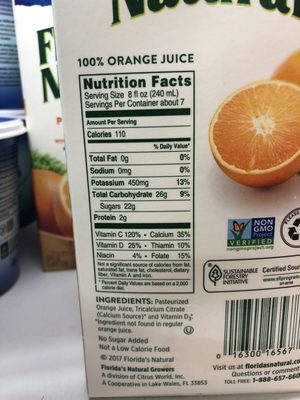 Citrus World Inc.
100% Premium Florida Orange Juice, No Pulp, Calcium & Vitamin D
46kcal
0.8Protein
0Fat
10.8Carbs
Citrus World Inc.
100% Premium Florida Orange Juice, No Pulp, Calcium & Vitamin D
46kcal
0.8Protein
0Fat
10.8Carbs
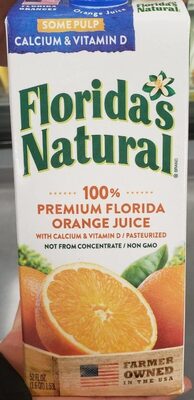 Citrus World Inc.
100% Premium Florida Orange Juice, Orange
46kcal
0.8Protein
0Fat
10.8Carbs
Citrus World Inc.
100% Premium Florida Orange Juice, Orange
46kcal
0.8Protein
0Fat
10.8Carbs
 Citrus World Inc.
100% Premium Orange Juice, Orange
46kcal
0.8Protein
0Fat
10.8Carbs
Citrus World Inc.
Some Pulp Calcium & Vitamin D Orange Premium Juice, Some Pulp Calcium & Vitamin D Orange
46kcal
0.8Protein
0Fat
10.8Carbs
Citrus World Inc.
100% Premium Orange Juice, Orange
46kcal
0.8Protein
0Fat
10.8Carbs
Citrus World Inc.
Some Pulp Calcium & Vitamin D Orange Premium Juice, Some Pulp Calcium & Vitamin D Orange
46kcal
0.8Protein
0Fat
10.8Carbs
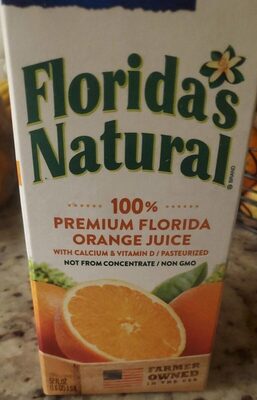 Citrus World Inc.
No Pulp 100% Premium Florida Orange Juice, Orange
46kcal
0.8Protein
0Fat
10.8Carbs
Citrus World Inc.
No Pulp 100% Premium Florida Orange Juice, Orange
46kcal
0.8Protein
0Fat
10.8Carbs