Coarse Himalayan Pink Salt
Auto-generated content. This description was generated automatically and is pending editorial review. Inaccuracies are possible. Found a mistake? Contact us.
What it is
Coarse Himalayan pink salt is a type of rock salt mined from the Punjab region of Pakistan. It is known for its distinctive pink hue, which comes from trace amounts of minerals like iron oxide. The salt is minimally processed and often sold in coarse or granulated forms.
Why it's used
Manufacturers use Himalayan pink salt primarily for its flavor and visual appeal. Its coarse texture provides a satisfying crunch, and its pink color can enhance the presentation of foods. It is commonly found in seasoning blends, specialty salts, marinades, and as a finishing salt on various dishes.
Health notes
Himalayan pink salt is chemically similar to table salt (sodium chloride) and is generally recognized as safe (GRAS) by the FDA for use as a food ingredient. Like other salts, it contributes sodium to the diet, and high sodium intake is associated with increased blood pressure. International bodies like JECFA have evaluated salt and its components. While some proponents claim unique health benefits due to its mineral content, these claims are not widely supported by scientific consensus, and the amounts of these trace minerals are typically too small to have a significant impact.
Allergen info
Himalayan pink salt is not derived from any of the nine FDA major allergens and does not contain gluten.
Products containing Coarse Himalayan Pink Salt
Compare products →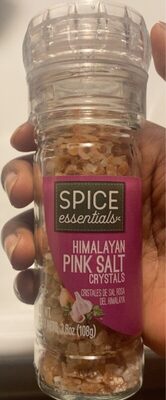 Prana Imports, Inc.
Spice Essentials Himalayan Pink Salt Crystals, 3.8 Oz
0kcal
0Protein
0Fat
0Carbs
Prana Imports, Inc.
Spice Essentials Himalayan Pink Salt Crystals, 3.8 Oz
0kcal
0Protein
0Fat
0Carbs
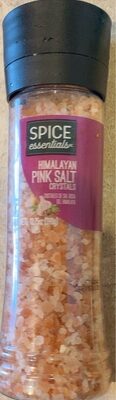 Prana Imports, Inc.
Spice Essentials Himalayan Pink Salt Crystals, 13.75 Oz
0kcal
0Protein
0Fat
0Carbs
Prana Imports, Inc.
Spice Essentials Himalayan Pink Salt Crystals, 13.75 Oz
0kcal
0Protein
0Fat
0Carbs
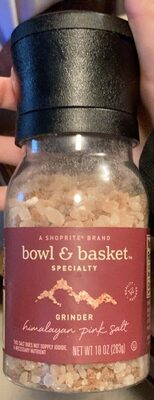 Wakefern Food Corporation
Specialty, Himalayan Pink Salt Grinder, Himalayan Pink
0kcal
0Protein
0Fat
0Carbs
Wakefern Food Corporation
Specialty, Himalayan Pink Salt Grinder, Himalayan Pink
0kcal
0Protein
0Fat
0Carbs