Grain And Water Diluted To 5% Acidity
Auto-generated content. This description was generated automatically and is pending editorial review. Inaccuracies are possible. Found a mistake? Contact us.
What it is
This is a diluted form of vinegar, typically made by fermenting grain alcohol (ethanol) and then diluting the resulting acetic acid with water to a 5% acidity level. The grain used can vary, but often includes corn or wheat. The process creates acetic acid, the main component of vinegar.
Why it's used
Manufacturers use this ingredient primarily as an acidity regulator and preservative. Its sharp, sour taste also contributes to flavor profiles. It is commonly found in salad dressings, marinades, pickles, and other preserved foods.
Health notes
Vinegar, including diluted forms like this, is generally recognized as safe (GRAS) by the FDA for use in food. Acetic acid, the active component, is not associated with significant health concerns at typical dietary intake levels. International bodies like JECFA have evaluated acetic acid and its salts. Evidence does not suggest adverse health effects from consuming foods containing this ingredient at normal levels.
Allergen info
Depending on the grain used in its production (e.g., wheat), this ingredient may be derived from a major allergen. If derived from wheat, it would contain gluten. If derived from corn, it is not a major allergen.
Products containing Grain And Water Diluted To 5% Acidity
Compare products →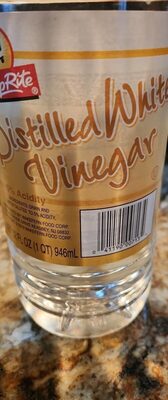 Wakefern Food Corporation
Distilled White Vinegar, Distilled White
0kcal
0Protein
0Fat
0Carbs
Wakefern Food Corporation
Distilled White Vinegar, Distilled White
0kcal
0Protein
0Fat
0Carbs
 Hannaford Bros. Co.
White Distilled Vinegar
0kcal
0Protein
0Fat
0Carbs
Hannaford Bros. Co.
White Distilled Vinegar
0kcal
0Protein
0Fat
0Carbs
 Hannaford Bros. Co.
White Distilled Vinegar
0kcal
0Protein
0Fat
0Carbs
Hannaford Bros. Co.
White Distilled Vinegar
0kcal
0Protein
0Fat
0Carbs
Hannaford Bros. Co.
White Distilled Vinegar
0kcal
0Protein
0Fat
0Carbs
Old Dutch Mustard Co Inc
White Distilled Vinegar, White Distilled
0kcal
0Protein
0Fat
0Carbs
Festive Finer Foods
Distilled White Vinegar, Distilled White
0kcal
0Protein
0Fat
0Carbs
Festive Finer Foods
Distilled White Vinegar, Distilled White
0kcal
0Protein
0Fat
0Carbs
Festive Finer Foods
Distilled White Vinegar, Distilled White
0kcal
0Protein
0Fat
0Carbs
Hannaford Bros. Co.
White Distilled Vinegar
0kcal
0Protein
0Fat
0Carbs
Hannaford Bros. Co.
White Distilled Vinegar
0kcal
0Protein
0Fat
0Carbs
Hannaford Bros. Co.
White Distilled Vinegar
0kcal
0Protein
0Fat
0Carbs
Old Dutch Mustard Co Inc
White Distilled Vinegar, White Distilled
0kcal
0Protein
0Fat
0Carbs
Festive Finer Foods
Distilled White Vinegar, Distilled White
0kcal
0Protein
0Fat
0Carbs
Festive Finer Foods
Distilled White Vinegar, Distilled White
0kcal
0Protein
0Fat
0Carbs
Festive Finer Foods
Distilled White Vinegar, Distilled White
0kcal
0Protein
0Fat
0Carbs