100% Green Tea
What is 100% Green Tea?
Green tea is made from the leaves of the Camellia sinensis plant. Unlike black tea, green tea leaves are not fermented, which helps them retain a higher level of certain beneficial compounds. It is typically grown in East Asia, particularly China and Japan.
Is 100% Green Tea vegan?
100% Green Tea is not animal-derived. Products that contain it can still include other animal-derived ingredients, so check the full ingredient list.
Is 100% Green Tea gluten-free?
Green tea is not a major allergen and does not contain gluten.
What is 100% Green Tea used for?
Green tea is primarily used as a beverage, either hot or iced.
Is 100% Green Tea safe?
Green tea is widely consumed and has been the subject of numerous scientific studies.
Why it's used
Green tea is primarily used as a beverage, either hot or iced. In packaged foods, it's most often found in tea bags, but it can also be used as a flavoring agent in some baked goods, candies, and other food products. It is valued for its natural flavor and perceived health benefits.
Health notes
Green tea is widely consumed and has been the subject of numerous scientific studies. Regulatory bodies like the FDA do not specifically regulate green tea as a food additive. However, its compounds, particularly catechins like EGCG, have been studied for potential antioxidant and anti-inflammatory effects. While generally considered safe for consumption, high intake might lead to side effects like stomach upset or sleep disturbances in sensitive individuals. JECFA and EFSA have evaluated green tea extracts and related compounds, noting their complex biological activities.
Allergen info
Green tea is not a major allergen and does not contain gluten.
Foods that contain 100% Green Tea
Compare products → EVER-GREEN
Ever-Green, China Green Tea
0kcal
0Protein
0Fat
0Carbs
EVER-GREEN
Ever-Green, China Green Tea
0kcal
0Protein
0Fat
0Carbs
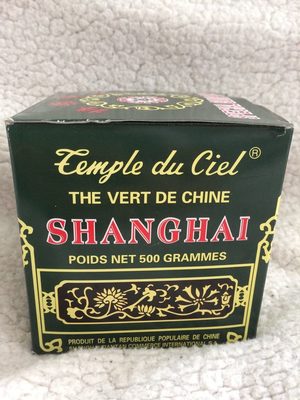 TEMPLE OF HEAVEN
Temple Of Heaven, Special Gunpowder China Green Tea
0kcal
0Protein
0Fat
0Carbs
TEMPLE OF HEAVEN
Temple Of Heaven, Special Gunpowder China Green Tea
0kcal
0Protein
0Fat
0Carbs
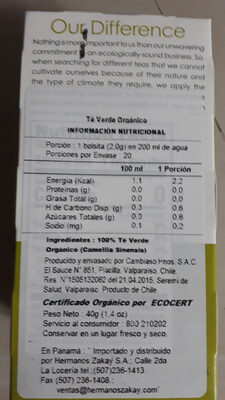 Cambiaso Hermanos S.A.C.
Garden Of The Andes, 100% Organic Pure Green Tea
0kcal
0Protein
0Fat
0Carbs
Golden International Corp.
Green Tea
0kcal
0Protein
0Fat
100Carbs
Cambiaso Hermanos S.A.C.
Garden Of The Andes, 100% Organic Pure Green Tea
0kcal
0Protein
0Fat
0Carbs
Golden International Corp.
Green Tea
0kcal
0Protein
0Fat
100Carbs
Auto-generated content. This description was generated automatically and is pending editorial review. Inaccuracies are possible. Found a mistake? Contact us.