Added Carbonation
What is Added Carbonation?
Carbonation is the process of dissolving carbon dioxide (CO2) gas into a liquid. This is often done under pressure to increase the amount of CO2 that can be dissolved. The dissolved CO2 forms carbonic acid, which gives beverages a tangy taste and creates the characteristic bubbles and fizz.
Is Added Carbonation vegan?
Added Carbonation is not animal-derived. Products that contain it can still include other animal-derived ingredients, so check the full ingredient list.
Is Added Carbonation gluten-free?
It does not contain gluten.
Is Added Carbonation a major allergen?
Carbonation itself is not derived from any of the 9 FDA major allergens.
What is Added Carbonation used for?
Added carbonation is used to create sparkling beverages, including water, soft drinks, and alcoholic beverages.
Is Added Carbonation safe?
Carbon dioxide used for carbonation is generally recognized as safe (GRAS) by the FDA for use in food.
Why it's used
Added carbonation is used to create sparkling beverages, including water, soft drinks, and alcoholic beverages. It provides a refreshing mouthfeel, a tangy flavor, and visual appeal through effervescence. It is also used in some processed foods for texture.
Health notes
Carbon dioxide used for carbonation is generally recognized as safe (GRAS) by the FDA for use in food. The FDA considers carbonated water safe. JECFA has evaluated carbon dioxide and established an acceptable daily intake. While carbonation can contribute to a temporary feeling of fullness, it is not typically associated with significant health concerns at normal consumption levels. Some studies have explored a link between carbonated beverages and dental erosion, but this is often attributed to the acidity of the beverage itself rather than the carbonation.
Allergen info
Carbonation itself is not derived from any of the 9 FDA major allergens. It does not contain gluten.
Foods that contain Added Carbonation
Compare products →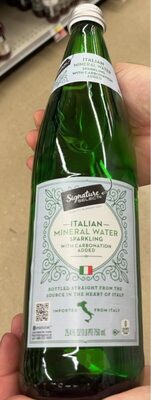
Auto-generated content. This description was generated automatically and is pending editorial review. Inaccuracies are possible. Found a mistake? Contact us.