Ancient And Heirloom Wheats
Auto-generated content. This description was generated automatically and is pending editorial review. Inaccuracies are possible. Found a mistake? Contact us.
What it is
Ancient and heirloom wheats are varieties of wheat that have been cultivated for centuries, predating modern hybridization efforts. These grains, such as einkorn, emmer, and spelt, are often grown using traditional farming methods and may have different nutritional profiles and gluten structures compared to common wheat. They are typically milled into flour for use in baking and cooking.
Why it's used
Manufacturers use ancient and heirloom wheat flours as a substitute for modern wheat flour in a variety of products, including bread, pasta, and baked goods. They are often chosen for their distinct nutty or earthy flavors and perceived nutritional benefits, appealing to consumers seeking less processed or historically significant food options.
Health notes
Ancient and heirloom wheats are generally recognized as safe (GRAS) by the FDA when used as food. They contain gluten, a protein found in wheat, which can be problematic for individuals with celiac disease or non-celiac gluten sensitivity. While some studies suggest potential differences in digestibility or nutrient content compared to modern wheat, comprehensive reviews by international bodies like EFSA have not established specific health benefits or risks associated with their consumption at typical dietary levels.
Allergen info
Ancient and heirloom wheats are varieties of wheat and are therefore a major allergen. They contain gluten.
Products containing Ancient And Heirloom Wheats
Compare products →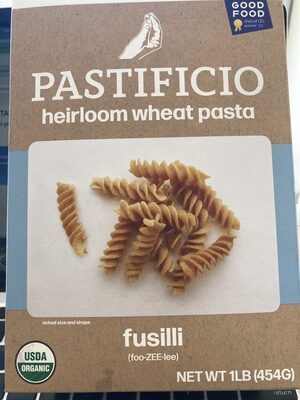 T.H.C. (THE HEAD CHOPPA)
Heirloom Wheat Pasta, Fusilli
351kcal
12.3Protein
0.9Fat
71.9Carbs
T.H.C. (THE HEAD CHOPPA)
Heirloom Wheat Pasta, Fusilli
351kcal
12.3Protein
0.9Fat
71.9Carbs