Artificial Flavors And Color
Auto-generated content. This description was generated automatically and is pending editorial review. Inaccuracies are possible. Found a mistake? Contact us.
What it is
This term refers to a combination of synthetic compounds used to create specific tastes and synthetic color additives used to impart color to food. Artificial flavors are made in laboratories to mimic natural flavors, while artificial colors are typically petroleum-based dyes.
Why it's used
Manufacturers add artificial flavors to enhance or create specific tastes in foods and beverages. Artificial colors are used to make foods more visually appealing or to restore color lost during processing. They are commonly found in candies, snacks, and desserts.
Health notes
Both artificial flavors and artificial colors are regulated by the FDA. Artificial flavors are generally considered safe at typical intake levels, with many being GRAS or approved food additives; JECFA has evaluated numerous flavorings. Artificial colors are approved by the FDA as color additives, though controversies exist regarding a potential link between some and hyperactivity in children; evidence for this is mixed. The FDA revoked Red 3 for use in food in January 2025 (manufacturers have until January 2027). In April 2025, the FDA announced a plan to phase out petroleum-based synthetic dyes, including Red 40, Yellow 5, Yellow 6, Blue 1, Blue 2, Green 3, Citrus Red 2, and Orange B.
Allergen info
Neither artificial flavors nor artificial colors are considered major allergens.
Products containing Artificial Flavors And Color
Compare products →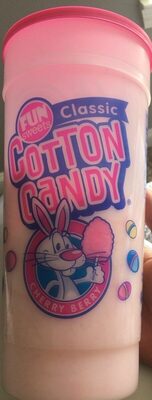 Fun Sweets LLC
Cherry Berry Classic Cotton Candy, Cherry Berry Classic
393kcal
0Protein
0Fat
100Carbs
H E Butt Grocery Company
Cerecitas Aciditas Cherry Gummy Balls With Tamarindo & Chamoy, Cerecitas Aciditas
High in sodium — 23% DV per serving
High in added sugars — 24% DV per serving
300kcal
0Protein
1.7Fat
73.3Carbs
Sales Equity, Inc.
Tamarindo Gush Bombz, Tamarindo
High in added sugars — 40% DV per serving
371kcal
7.1Protein
0Fat
89.3Carbs
Maude Asbury
Tamarindo Mighty Rainbowz Candy, Tamarindo
High in added sugars — 40% DV per serving
371kcal
7.1Protein
0Fat
89.3Carbs
Fun Sweets LLC
Cherry Berry Classic Cotton Candy, Cherry Berry Classic
393kcal
0Protein
0Fat
100Carbs
H E Butt Grocery Company
Cerecitas Aciditas Cherry Gummy Balls With Tamarindo & Chamoy, Cerecitas Aciditas
High in sodium — 23% DV per serving
High in added sugars — 24% DV per serving
300kcal
0Protein
1.7Fat
73.3Carbs
Sales Equity, Inc.
Tamarindo Gush Bombz, Tamarindo
High in added sugars — 40% DV per serving
371kcal
7.1Protein
0Fat
89.3Carbs
Maude Asbury
Tamarindo Mighty Rainbowz Candy, Tamarindo
High in added sugars — 40% DV per serving
371kcal
7.1Protein
0Fat
89.3Carbs