Artificial Tamarind Flavor
Auto-generated content. This description was generated automatically and is pending editorial review. Inaccuracies are possible. Found a mistake? Contact us.
What it is
Artificial tamarind flavor is a blend of chemical compounds designed to mimic the taste of tamarind, a tropical fruit known for its sweet and sour flavor. It is created in a lab using various food-grade chemicals, often including esters, aldehydes, and ketones, to replicate the complex taste profile of the real fruit.
Why it's used
Manufacturers use artificial tamarind flavor to impart a distinct sweet and tangy taste to a wide range of products without using the actual fruit. It is commonly found in candies, beverages, desserts, and snack foods where a tropical or exotic flavor profile is desired.
Health notes
Artificial flavors are generally recognized as safe (GRAS) by the FDA when used as intended. Regulatory bodies like JECFA and EFSA have evaluated many flavoring substances. While generally considered safe at typical consumption levels, some individuals may have sensitivities. There is ongoing research into the long-term effects of consuming artificial ingredients.
Allergen info
Artificial tamarind flavor is not derived from any of the nine major allergens recognized by the FDA. It does not contain gluten.
Products containing Artificial Tamarind Flavor
Compare products →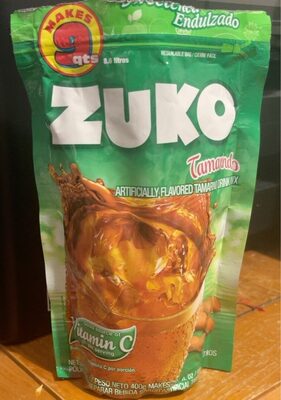 Genercon Outdoor Living Company
Tamarindo Flavored Tamarind Drink Mix, Tamarindo
High in added sugars — 30% DV per serving
412kcal
0Protein
0Fat
94.1Carbs
Genercon Outdoor Living Company
Tamarindo Flavored Tamarind Drink Mix, Tamarindo
333kcal
0Protein
0Fat
88.9Carbs
Beach Sports, Inc.
Tamarind Ice Bar, Tamarind
88kcal
0.9Protein
0Fat
23.0Carbs
Presidio Brands, Inc.
Hot And Salted Tamarind Flavor Flechazos Mixer Fruit Candy With Salt & Chili, Hot And Salted Tamarind With Salt & Chili
253kcal
0Protein
0Fat
58.8Carbs
Mercado Latino, Inc.
Tamarind Aloe Vera Drink, Tamarind
100kcal
0Protein
0Fat
9.6Carbs
Genercon Outdoor Living Company
Tamarindo Flavored Tamarind Drink Mix, Tamarindo
High in added sugars — 30% DV per serving
412kcal
0Protein
0Fat
94.1Carbs
Genercon Outdoor Living Company
Tamarindo Flavored Tamarind Drink Mix, Tamarindo
333kcal
0Protein
0Fat
88.9Carbs
Beach Sports, Inc.
Tamarind Ice Bar, Tamarind
88kcal
0.9Protein
0Fat
23.0Carbs
Presidio Brands, Inc.
Hot And Salted Tamarind Flavor Flechazos Mixer Fruit Candy With Salt & Chili, Hot And Salted Tamarind With Salt & Chili
253kcal
0Protein
0Fat
58.8Carbs
Mercado Latino, Inc.
Tamarind Aloe Vera Drink, Tamarind
100kcal
0Protein
0Fat
9.6Carbs
 H E Butt Grocery Company
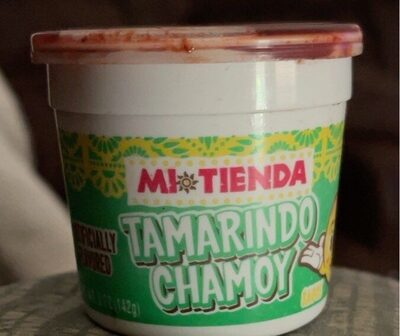
Tamarindo Chamoy Sauce, Tamarindo Chamoy
High in sodium — 39% DV per serving
233kcal
0Protein
3.3Fat
46.7Carbs
H E Butt Grocery Company
Tamarindo Chamoy Sauce, Tamarindo Chamoy
High in sodium — 39% DV per serving
233kcal
0Protein
3.3Fat
46.7Carbs
 Presidio Brands, Inc.
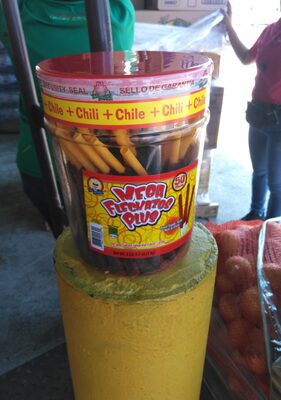
Hot And Salted Flavor Fruit Candy With Salt & Chili, Hot And Salted Tamarind
250kcal
0Protein
0Fat
60Carbs
Presidio Brands, Inc.
Hot And Salted Flavor Fruit Candy With Salt & Chili, Hot And Salted Tamarind
250kcal
0Protein
0Fat
60Carbs