As Coloring
Auto-generated content. This description was generated automatically and is pending editorial review. Inaccuracies are possible. Found a mistake? Contact us.
What it is
Food coloring refers to any substance added to food or drink to change its color. These substances can come from natural sources like plants or minerals, or they can be synthetic, meaning they are man-made.
Why it's used
Manufacturers add food coloring to enhance the visual appeal of food products, making them look more attractive or to match consumer expectations for certain flavors. They are used in a wide variety of foods, including confectionery, beverages, baked goods, and processed snacks.
Health notes
In the United States, all food color additives must be approved by the FDA before they can be used in food. Some color additives are synthetic and require certification by the FDA for each batch, while others are derived from natural sources and are exempt from this certification process. The safety of individual food color additives has been evaluated by regulatory bodies like JECFA and EFSA. There have been ongoing discussions regarding the potential link between certain synthetic food colorings and hyperactivity in some children, with evidence being mixed. The FDA revoked Red 3 for food use in January 2025, with manufacturers having until January 2027 to comply. In April 2025, the FDA also announced a plan to phase out petroleum-based synthetic dyes, including Red 40, Yellow 5, Yellow 6, Blue 1, Blue 2, Green 3, Citrus Red 2, and Orange B.
Allergen info
Not a major allergen.
Products containing As Coloring
Compare products →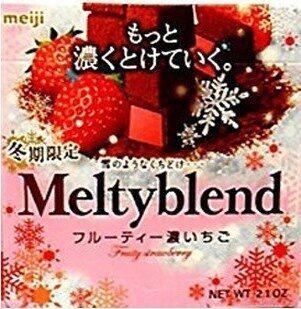 Wismettac Asian Foods, Inc.
Fruity Strawberry Meltyblend, Fruity Strawberry
High in saturated fat — 55% DV per serving
625kcal
5Protein
45Fat
45Carbs
Wismettac Asian Foods, Inc.
Fermented Soybeans With Seasoning Sauce
176kcal
15.9Protein
7.0Fat
15.9Carbs
Wismettac Asian Foods, Inc.
Wismettac Asian Foods, Cookies
429kcal
7.1Protein
25Fat
46.4Carbs
Khong Guan Corporation
Lychee Imperial Mochi, Lychee
High in added sugars — 26% DV per serving
267kcal
3.3Protein
0Fat
66.7Carbs
Bi-Lo Inc.
Bananaberry Fat Free Drinkable Yogurt, Bananaberry
High in added sugars — 20% DV per serving
46kcal
3.4Protein
0Fat
8.4Carbs
Bi-Lo Inc.
Mango Drinkable Yogurt, Mango
High in added sugars — 20% DV per serving
51kcal
3.4Protein
0Fat
8.9Carbs
Hato Potrero Farm Inc.
Guava Low-Fat Drinkable Yogurt, Guava
High in added sugars — 20% DV per serving
63kcal
4.2Protein
1.7Fat
8.9Carbs
Kenover Marketing Corp.
Black Licorice Sugar Free Hard Candy, Black Licorice
233kcal
0Protein
0Fat
100Carbs
Wismettac Asian Foods, Inc.
Fruity Strawberry Meltyblend, Fruity Strawberry
High in saturated fat — 55% DV per serving
625kcal
5Protein
45Fat
45Carbs
Wismettac Asian Foods, Inc.
Fermented Soybeans With Seasoning Sauce
176kcal
15.9Protein
7.0Fat
15.9Carbs
Wismettac Asian Foods, Inc.
Wismettac Asian Foods, Cookies
429kcal
7.1Protein
25Fat
46.4Carbs
Khong Guan Corporation
Lychee Imperial Mochi, Lychee
High in added sugars — 26% DV per serving
267kcal
3.3Protein
0Fat
66.7Carbs
Bi-Lo Inc.
Bananaberry Fat Free Drinkable Yogurt, Bananaberry
High in added sugars — 20% DV per serving
46kcal
3.4Protein
0Fat
8.4Carbs
Bi-Lo Inc.
Mango Drinkable Yogurt, Mango
High in added sugars — 20% DV per serving
51kcal
3.4Protein
0Fat
8.9Carbs
Hato Potrero Farm Inc.
Guava Low-Fat Drinkable Yogurt, Guava
High in added sugars — 20% DV per serving
63kcal
4.2Protein
1.7Fat
8.9Carbs
Kenover Marketing Corp.
Black Licorice Sugar Free Hard Candy, Black Licorice
233kcal
0Protein
0Fat
100Carbs