Citric And Malic Acids
Auto-generated content. This description was generated automatically and is pending editorial review. Inaccuracies are possible. Found a mistake? Contact us.
What it is
Citric acid is a weak organic acid found naturally in citrus fruits. Malic acid is also a naturally occurring organic acid found in fruits like apples. Both are commonly produced industrially through the fermentation of carbohydrates by microorganisms.
Why it's used
These acids are frequently added to foods and beverages to provide a tart, sour taste and to act as preservatives. They are also used to enhance flavors and as acidity regulators, helping to control the pH of food products. You'll find them in candies, jams, jellies, soft drinks, and processed fruits.
Health notes
In the U.S., both citric acid and malic acid are generally recognized as safe (GRAS) by the FDA for use in food. International bodies like JECFA and EFSA have also evaluated these substances. They are considered safe when consumed in typical amounts found in food. Some research has explored their roles in energy metabolism, but evidence regarding significant health benefits or risks at dietary levels is not conclusive.
Allergen info
Citric acid and malic acid are not derived from major allergens. They do not contain gluten.
Products containing Citric And Malic Acids
Compare products →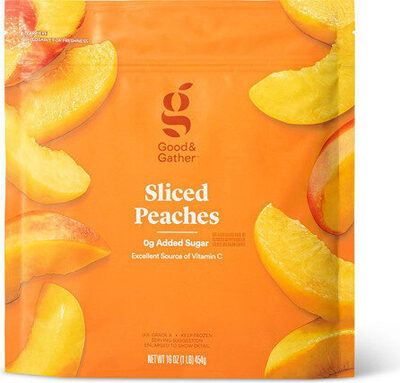 Target Stores
Sliced Peaches
36kcal
0.7Protein
0Fat
9.3Carbs
Target Stores
Sliced Peaches
36kcal
0.7Protein
0Fat
9.3Carbs
 Target Stores
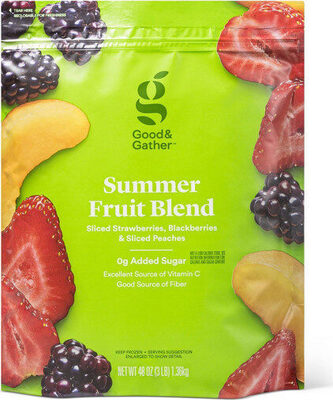
Summer Sliced Strawberries, Blackberries & Sliced Peaches Fruit Blend, Summer
43kcal
0.7Protein
0Fat
11.4Carbs
Target Stores
Summer Sliced Strawberries, Blackberries & Sliced Peaches Fruit Blend, Summer
43kcal
0.7Protein
0Fat
11.4Carbs
 Target Stores
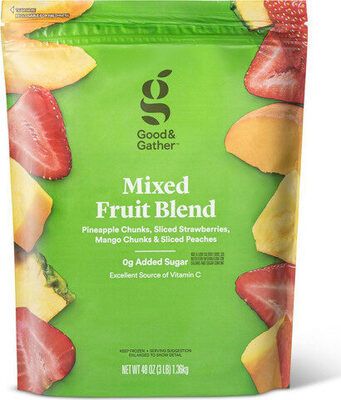
Mixed Fruit Pineapple Chunks, Sliced Strawberries, Mango Chunks & Sliced Peaches Blend, Mixed Fruit
43kcal
0.7Protein
0Fat
11.4Carbs
Target Stores
Harvest Cheesecake Sampler With New York-Style, Pumpkin Spice, Caramel Apple And Pecan Pie, Harvest
High in saturated fat — 45% DV per serving
High in added sugars — 36% DV per serving
362kcal
4.3Protein
21.3Fat
39.4Carbs
Target Stores
Mixed Fruit Pineapple Chunks, Sliced Strawberries, Mango Chunks & Sliced Peaches Blend, Mixed Fruit
43kcal
0.7Protein
0Fat
11.4Carbs
Target Stores
Harvest Cheesecake Sampler With New York-Style, Pumpkin Spice, Caramel Apple And Pecan Pie, Harvest
High in saturated fat — 45% DV per serving
High in added sugars — 36% DV per serving
362kcal
4.3Protein
21.3Fat
39.4Carbs