Fruit And Vegetable Juice As Color
Auto-generated content. This description was generated automatically and is pending editorial review. Inaccuracies are possible. Found a mistake? Contact us.
What it is
Fruit and vegetable juice used as a color additive is made from the natural pigments found in fruits and vegetables. These juices are processed to extract and concentrate their coloring compounds, which are then used to impart specific hues to food products. Examples include colors derived from beets, carrots, purple sweet potatoes, and other colorful produce.
Why it's used
Manufacturers use fruit and vegetable juice concentrates as natural colorants to appeal to consumers seeking products with fewer artificial ingredients. They can provide a range of colors from yellow and orange to red, pink, and purple. These natural colors are found in beverages, confectionery, dairy products, and baked goods.
Health notes
In the U.S., fruit and vegetable juices used for coloring are generally recognized as safe (GRAS) by the FDA when used according to good manufacturing practices. Regulatory bodies like the FDA and EFSA have evaluated many natural colorants. While generally considered safe, the nutritional content can vary depending on the source fruit or vegetable. There are no widespread controversies regarding the use of these natural colorants at typical levels.
Allergen info
Fruit and vegetable juices are not derived from any of the 9 FDA major allergens. They do not contain gluten.
Products containing Fruit And Vegetable Juice As Color
Compare products →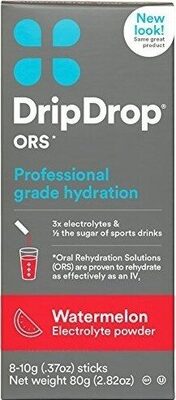 Drip Drop Hydration, Inc.
Dehydration Relief Fast Electrolyte Power, Watermelon, Watermelon
350kcal
0Protein
0Fat
90Carbs
Drip Drop Hydration, Inc.
Dehydration Relief Fast Electrolyte Power, Watermelon, Watermelon
350kcal
0Protein
0Fat
90Carbs
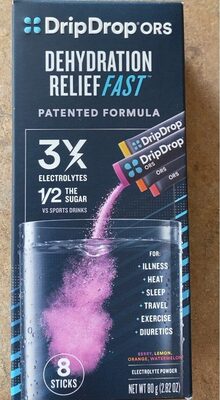 Live the Dream Management Group
Ors Dehydration Relief Fast Electrolyte Powder Variety Pack, Berry, Lemon, Orange, Watermelon
350kcal
0Protein
0Fat
90Carbs
Live the Dream Management Group
Ors Dehydration Relief Fast Electrolyte Powder Variety Pack, Berry, Lemon, Orange, Watermelon
350kcal
0Protein
0Fat
90Carbs
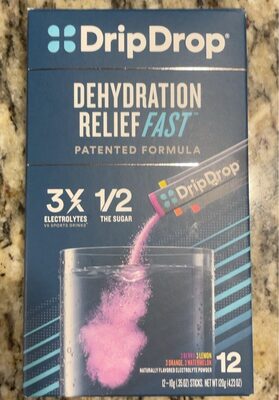 Live the Dream Management Group
Dehydration Relief Fast Electrolyte Powder - Berry, Lemon, Orange, Watermelon, Berry, Lemon, Orange, Watermelon
350kcal
0Protein
0Fat
90Carbs
Live the Dream Management Group
Dehydration Relief Fast Electrolyte Powder - Berry, Lemon, Orange, Watermelon, Berry, Lemon, Orange, Watermelon
350kcal
0Protein
0Fat
90Carbs
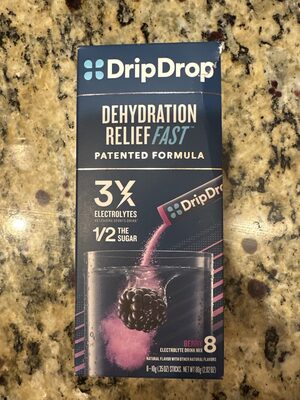 Drip Drop Hydration, Inc.
Berry Ors Dehydration Relief Fast Electrolyte Powder, Berry
350kcal
0Protein
—Fat
90Carbs
Drip Drop Hydration, Inc.
Berry Ors Dehydration Relief Fast Electrolyte Powder, Berry
350kcal
0Protein
—Fat
90Carbs