Ice Glazed
What is Ice Glazed?
Ice glazing is a process where a thin layer of ice is applied to the surface of frozen foods, especially meats and seafood. This is typically done by spraying the food with cold water or by dipping it in chilled water, which then freezes on contact, forming a protective coating.
Is Ice Glazed a major allergen?
Not a major allergen.
What is Ice Glazed used for?
Manufacturers use ice glazing to protect foods from freezer burn, dehydration, and oxidation during storage and transport.
Is Ice Glazed safe?
Ice glazing is a food preparation technique and not an ingredient added to the food itself.
Why it's used
Manufacturers use ice glazing to protect foods from freezer burn, dehydration, and oxidation during storage and transport. This helps maintain the food's quality, moisture, and texture. It is commonly found on frozen poultry, seafood, and some frozen fruits and vegetables.
Health notes
Ice glazing is a food preparation technique and not an ingredient added to the food itself. The water used is typically potable tap water. There are no specific health implications associated with the ice glazing process itself when performed with clean water and equipment. Regulatory bodies like the FDA oversee food safety practices, including those related to freezing and glazing.
Allergen info
Not a major allergen.
Foods that contain Ice Glazed
Compare products →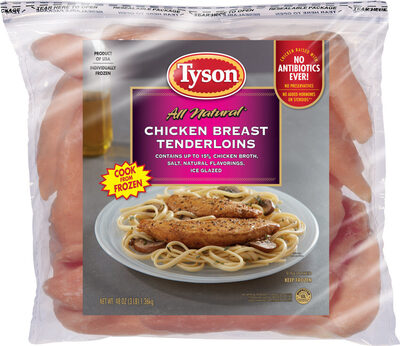 Tyson Foods, Inc.
Chicken Breast Tenderloins
89kcal
19.6Protein
0.5Fat
0Carbs
Tyson Foods, Inc.
Chicken Breast Tenderloins
89kcal
19.6Protein
0.5Fat
0Carbs
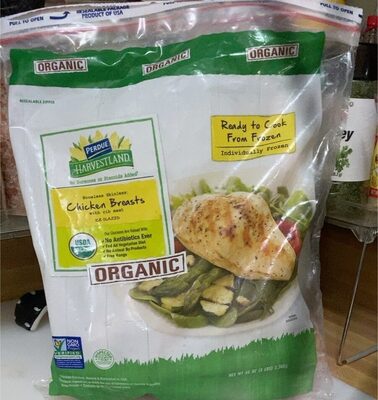 Perdue Farms Incorporated
Organic Boneless Skinless Chicken Breasts With Rib Meat
High in cholesterol — 27% DV per serving
116kcal
22.3Protein
2.7Fat
0Carbs
Perdue Farms Incorporated
Organic Boneless Skinless Chicken Breasts With Rib Meat
High in cholesterol — 27% DV per serving
116kcal
22.3Protein
2.7Fat
0Carbs
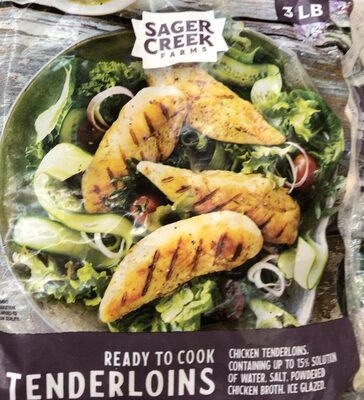 Simmons Foods, Inc.
Chicken Tenderloins.
High in cholesterol — 22% DV per serving
80kcal
18.8Protein
0.5Fat
0Carbs
Wal-Mart Stores, Inc.
All Natural Chicken Wings
High in cholesterol — 38% DV per serving
125kcal
16.1Protein
6.2Fat
0Carbs
Simmons Foods, Inc.
Chicken Tenderloins.
High in cholesterol — 22% DV per serving
80kcal
18.8Protein
0.5Fat
0Carbs
Wal-Mart Stores, Inc.
All Natural Chicken Wings
High in cholesterol — 38% DV per serving
125kcal
16.1Protein
6.2Fat
0Carbs
Auto-generated content. This description was generated automatically and is pending editorial review. Inaccuracies are possible. Found a mistake? Contact us.