Italian Seasoning Blend
Auto-generated content. This description was generated automatically and is pending editorial review. Inaccuracies are possible. Found a mistake? Contact us.
What it is
Italian seasoning is a blend of dried herbs commonly used in Italian cuisine. The exact composition can vary, but it typically includes basil, oregano, rosemary, thyme, and sometimes marjoram or sage. These herbs are dried and then mixed together.
Why it's used
Manufacturers use Italian seasoning to impart a savory, aromatic flavor to a wide range of foods. It is frequently added to pasta sauces, pizzas, bread, salad dressings, and roasted vegetables. Its versatility makes it a popular choice for adding a classic Italian taste.
Health notes
Italian seasoning is generally recognized as safe (GRAS) by the FDA when used as a food ingredient. As a blend of common culinary herbs, it is not typically associated with adverse health effects when consumed in typical amounts found in food. International bodies like JECFA have evaluated many of the individual herbs within the blend, generally finding them safe for consumption. There are no widespread controversies regarding its use in food.
Allergen info
Italian seasoning is not a major allergen. It does not contain any of the 9 FDA-recognized major food allergens (milk, egg, fish, shellfish, tree nuts, peanuts, wheat, soy, sesame). It is also gluten-free.
Products containing Italian Seasoning Blend
Compare products →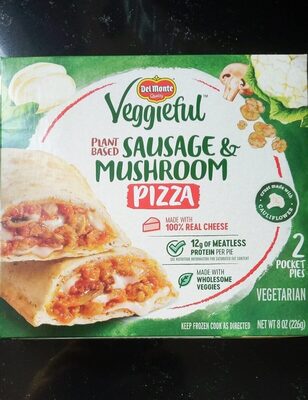 Del Monte Foods Inc.
Sausage & Mushroom Plant Based Pizza, Sausage & Mushroom
High in saturated fat — 25% DV per serving
118kcal
5.3Protein
4.4Fat
14.0Carbs
Wegmans Food Markets, Inc.
Tomato Basil Parmesan Cheese Crisps, Tomato Basil
High in sodium — 21% DV per serving
High in saturated fat — 35% DV per serving
571kcal
46.4Protein
39.3Fat
10.7Carbs
Del Monte Foods Inc.
Sausage & Mushroom Plant Based Pizza, Sausage & Mushroom
High in saturated fat — 25% DV per serving
118kcal
5.3Protein
4.4Fat
14.0Carbs
Wegmans Food Markets, Inc.
Tomato Basil Parmesan Cheese Crisps, Tomato Basil
High in sodium — 21% DV per serving
High in saturated fat — 35% DV per serving
571kcal
46.4Protein
39.3Fat
10.7Carbs
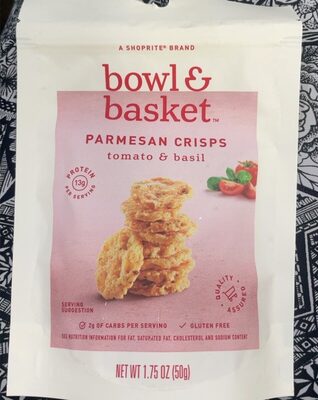 Wakefern Food Corporation
Tomato & Basil Parmesan Crisps, Tomato & Basil Parmesan
High in saturated fat — 35% DV per serving
536kcal
46.4Protein
35.7Fat
7.1Carbs
Wakefern Food Corporation
Tomato & Basil Parmesan Crisps, Tomato & Basil Parmesan
High in saturated fat — 35% DV per serving
536kcal
46.4Protein
35.7Fat
7.1Carbs
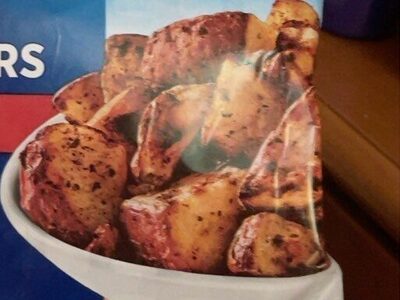 Conagra Brands, Inc
Birds Eye Microwave Roasters Red Potatoes, Frozen Vegetables, 6 oz. Bag
High in sodium — 22% DV per serving
—kcal
2.4Protein
3.5Fat
21.2Carbs
Conagra Brands, Inc
Birds Eye Microwave Roasters Red Potatoes, Frozen Vegetables, 6 oz. Bag
High in sodium — 22% DV per serving
—kcal
2.4Protein
3.5Fat
21.2Carbs