Lightly Smoked Brisling Sardines In Extra Virgin Olive Oil
What is Lightly Smoked Brisling Sardines In Extra Virgin Olive Oil?
Brisling sardines are small, oily fish, often canned. They are typically caught in the North Atlantic and Pacific Oceans. The fish are lightly smoked and then packed in extra virgin olive oil.
Is Lightly Smoked Brisling Sardines In Extra Virgin Olive Oil vegan?
No. Lightly Smoked Brisling Sardines In Extra Virgin Olive Oil is animal-derived, so it is not vegan.
Is Lightly Smoked Brisling Sardines In Extra Virgin Olive Oil gluten-free?
They do not contain gluten.
Is Lightly Smoked Brisling Sardines In Extra Virgin Olive Oil a major allergen?
Sardines are a fish, which is one of the 9 major allergens recognized by the FDA.
What is Lightly Smoked Brisling Sardines In Extra Virgin Olive Oil used for?
Sardines are used as a ready-to-eat protein source in canned goods.
Is Lightly Smoked Brisling Sardines In Extra Virgin Olive Oil safe?
Sardines are a source of protein, omega-3 fatty acids, vitamin D, and calcium.
Why it's used
Sardines are used as a ready-to-eat protein source in canned goods. The olive oil adds flavor and moisture. They are most commonly found in canned seafood products.
Health notes
Sardines are a source of protein, omega-3 fatty acids, vitamin D, and calcium. They are not subject to FDA additive regulations as they are a whole food. Regulatory bodies like the WHO have not set specific intake limits for sardines. They are considered a nutrient-dense food.
Allergen info
Sardines are a fish, which is one of the 9 major allergens recognized by the FDA. They do not contain gluten.
Foods that contain Lightly Smoked Brisling Sardines In Extra Virgin Olive Oil
Compare products →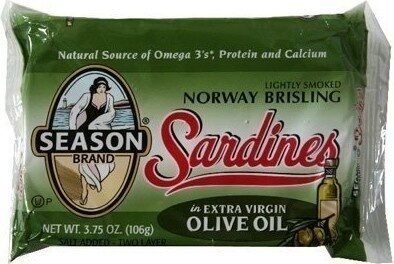
Auto-generated content. This description was generated automatically and is pending editorial review. Inaccuracies are possible. Found a mistake? Contact us.