Natural Carbonation Added
What is Natural Carbonation Added?
Natural carbonation is carbon dioxide (CO2) gas that occurs naturally in some water sources. This gas is dissolved in the water under pressure. When the pressure is released, the CO2 forms bubbles, creating the fizzy sensation.
Is Natural Carbonation Added vegan?
Natural Carbonation Added is not animal-derived. Products that contain it can still include other animal-derived ingredients, so check the full ingredient list.
Is Natural Carbonation Added a major allergen?
Not a major allergen.
What is Natural Carbonation Added used for?
Manufacturers add natural carbonation to beverages like sparkling water and some soft drinks to provide a fizzy texture and a slightly tart taste.
Is Natural Carbonation Added safe?
Carbon dioxide is generally recognized as safe (GRAS) by the FDA when used as a food additive.
Why it's used
Manufacturers add natural carbonation to beverages like sparkling water and some soft drinks to provide a fizzy texture and a slightly tart taste. It enhances the mouthfeel and can act as a preservative by lowering the pH.
Health notes
Carbon dioxide is generally recognized as safe (GRAS) by the FDA when used as a food additive. It is a naturally occurring substance and is also produced by the body during metabolism. International bodies like JECFA have evaluated carbon dioxide and established acceptable intake levels. At typical consumption levels in beverages, it is not associated with adverse health effects.
Allergen info
Not a major allergen.
Foods that contain Natural Carbonation Added
Compare products →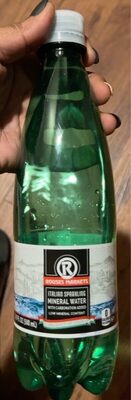
Auto-generated content. This description was generated automatically and is pending editorial review. Inaccuracies are possible. Found a mistake? Contact us.