Non-gmo Edamame
Auto-generated content. This description was generated automatically and is pending editorial review. Inaccuracies are possible. Found a mistake? Contact us.
What it is
Edamame refers to immature soybeans, still in their pods or shelled. They are typically harvested before the beans have hardened and are often steamed or boiled before consumption. The 'non-GMO' label indicates that the soybeans used have not been genetically modified.
Why it's used
Manufacturers add edamame to products primarily for its nutritional value, texture, and mild, slightly sweet flavor. It is commonly used in snacks, dips, and prepared meals as a source of plant-based protein and fiber. You can find it in products like hummus, snack mixes, and frozen vegetable blends.
Health notes
As a whole food, edamame is generally recognized as safe (GRAS) by the FDA. Soybeans are a good source of protein, fiber, and essential nutrients, and are considered a healthy part of a balanced diet. JECFA and EFSA do not typically evaluate whole foods like edamame as food additives, but rather as part of dietary intake. While there have been discussions about soy's phytoestrogen content, current scientific consensus, including reviews of peer-reviewed literature, generally supports the health benefits of consuming soy products as part of a balanced diet.
Allergen info
Soy is one of the nine major food allergens identified by the FDA.
Products containing Non-gmo Edamame
Compare products →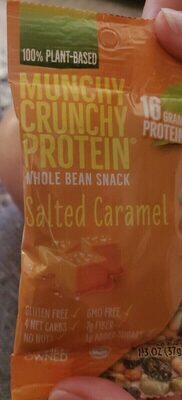 Vegetarian Traveler, LLC
Salted Caramel Plant-Based Protein Snack, Salted Caramel
459kcal
43.2Protein
18.9Fat
29.7Carbs
Vegetarian Traveler, LLC
Salted Caramel Plant-Based Protein Snack, Salted Caramel
459kcal
43.2Protein
18.9Fat
29.7Carbs
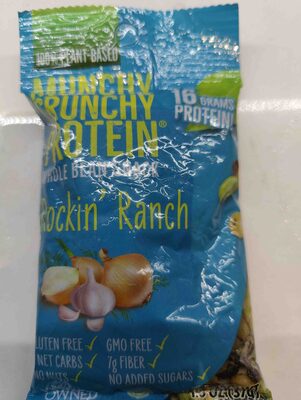 Vegetarian Traveler, LLC
Rockin' Ranch Plant-Based Protein Snack, Rockin' Ranch
459kcal
43.2Protein
18.9Fat
29.7Carbs
Vegetarian Traveler, LLC
Chillin' Chipotle Plant-Based Protein Snack, Chillin' Chipotle
459kcal
43.2Protein
18.9Fat
29.7Carbs
Vegetarian Traveler, LLC
Rockin' Ranch Plant-Based Protein Snack, Rockin' Ranch
459kcal
43.2Protein
18.9Fat
29.7Carbs
Vegetarian Traveler, LLC
Chillin' Chipotle Plant-Based Protein Snack, Chillin' Chipotle
459kcal
43.2Protein
18.9Fat
29.7Carbs