Organic Valencia Oranges
Auto-generated content. This description was generated automatically and is pending editorial review. Inaccuracies are possible. Found a mistake? Contact us.
What it is
Valencia oranges are a variety of sweet orange, scientifically known as *Citrus × sinensis*. They are a hybrid fruit, believed to originate from Southeast Asia, and are widely grown in warm climates like California and Florida. These oranges are typically harvested from late spring through summer.
Why it's used
Valencia oranges are primarily used as a fresh fruit for eating due to their sweet, juicy flesh and bright flavor. They are also commonly juiced, either on their own or as part of a blend, and can be used in baking, marmalades, and as a flavoring agent in various food products.
Health notes
Valencia oranges are a natural source of vitamin C, fiber, and various antioxidants. The U.S. Food and Drug Administration (FDA) recognizes oranges and their components as Generally Recognized As Safe (GRAS) for their intended use in food. International bodies like the European Food Safety Authority (EFSA) and the Joint FAO/WHO Expert Committee on Food Additives (JECFA) have evaluated citrus components, generally finding them safe. No specific health concerns are typically associated with the consumption of whole Valencia oranges at normal dietary levels.
Allergen info
Oranges are not one of the nine FDA major allergens and do not contain gluten.
Products containing Organic Valencia Oranges
Compare products →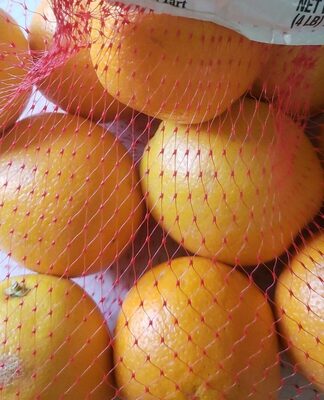 Wegmans Food Markets, Inc.
Valencia Oranges
48kcal
1.2Protein
0Fat
11.5Carbs
Wegmans Food Markets, Inc.
Organic Valencia Oranges
53kcal
1.3Protein
0Fat
12.7Carbs
Wakefern Food Corporation
Organic, Valencia Oranges, Valencia
52kcal
1.3Protein
0.3Fat
12.3Carbs
Wegmans Food Markets, Inc.
Valencia Oranges
48kcal
1.2Protein
0Fat
11.5Carbs
Wegmans Food Markets, Inc.
Organic Valencia Oranges
53kcal
1.3Protein
0Fat
12.7Carbs
Wakefern Food Corporation
Organic, Valencia Oranges, Valencia
52kcal
1.3Protein
0.3Fat
12.3Carbs