Beeswax
Auto-generated content. This description was generated automatically and is pending editorial review. Inaccuracies are possible. Found a mistake? Contact us.
What it is
Beeswax is a natural wax produced by honey bees in their hives. Bees secrete the wax from glands on their abdomens, and worker bees use it to build the honeycomb structure where honey is stored and young bees are raised. It is typically off-white to yellow and has a mild honey-like odor.
Why it's used
Beeswax is used as a glazing agent and to provide texture in foods. It helps to give products a shiny appearance and can add a waxy mouthfeel. It is commonly found in candies, chewing gum, and baked goods like cookies.
Health notes
In the United States, beeswax is generally recognized as safe (GRAS) by the FDA when used as a food ingredient. It is not known to cause adverse health effects at the levels typically consumed in food. International bodies like JECFA have evaluated beeswax, and EFSA has also assessed its safety. No significant health controversies are associated with its use in typical food amounts.
Allergen info
Beeswax is not derived from any of the 9 FDA major allergens. It does not contain gluten.
Products containing Beeswax
Compare products →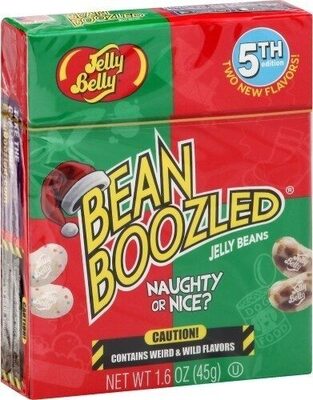 Jelly Belly Candy Company
Jelly Belly, Bean Boozled, Jelly Beans Candy
356kcal
0Protein
0Fat
91.1Carbs
Jelly Belly Candy Company
Jelly Belly, Kids Mix Jelly Beans
353kcal
0Protein
0Fat
91.2Carbs
Jelly Belly Candy Company
Spring Mix
353kcal
0Protein
0Fat
91.2Carbs
MR KIPLING
Mud Pies
370kcal
4.3Protein
15.2Fat
54.4Carbs
Jelly Belly Candy Company
Jelly Belly, Bean Boozled, Jelly Beans Candy
356kcal
0Protein
0Fat
91.1Carbs
Jelly Belly Candy Company
Jelly Belly, Kids Mix Jelly Beans
353kcal
0Protein
0Fat
91.2Carbs
Jelly Belly Candy Company
Spring Mix
353kcal
0Protein
0Fat
91.2Carbs
MR KIPLING
Mud Pies
370kcal
4.3Protein
15.2Fat
54.4Carbs
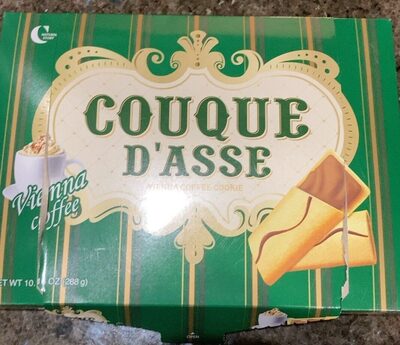 COUQUE D'ASSE
Vienna Coffee Cookie
High in saturated fat — 35% DV per serving
531kcal
6.2Protein
31.2Fat
59.4Carbs
TARGET
Jumbo Monster Cookie
High in saturated fat — 45% DV per serving
442kcal
8.8Protein
23.0Fat
54.9Carbs
JELLY BELLY
Brownies
460kcal
2Protein
26Fat
58Carbs
VENCO
Dubbelzout Licorice Double Salt
High in added sugars — 20% DV per serving
320kcal
8Protein
0Fat
72Carbs
COUQUE D'ASSE
Vienna Coffee Cookie
High in saturated fat — 35% DV per serving
531kcal
6.2Protein
31.2Fat
59.4Carbs
TARGET
Jumbo Monster Cookie
High in saturated fat — 45% DV per serving
442kcal
8.8Protein
23.0Fat
54.9Carbs
JELLY BELLY
Brownies
460kcal
2Protein
26Fat
58Carbs
VENCO
Dubbelzout Licorice Double Salt
High in added sugars — 20% DV per serving
320kcal
8Protein
0Fat
72Carbs
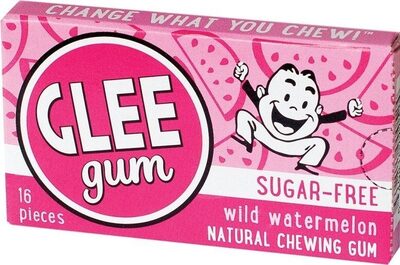 Verve, Inc.
Sugar-Free Gum, Watermelon
200kcal
0Protein
0Fat
80Carbs
Verve, Inc.
Sugar-Free Gum, Watermelon
200kcal
0Protein
0Fat
80Carbs