Perishable
What is Perishable?
Perishable refers to foods that can spoil or decay if not stored properly, especially at room or refrigerator temperatures. These foods are typically fresh and have a limited shelf life. Examples include fresh produce, dairy products, and raw meats.
Is Perishable a major allergen?
This depends on the specific perishable food.
What is Perishable used for?
Perishability is not an ingredient added by manufacturers; rather, it is a characteristic of certain food types.
Is Perishable safe?
Perishability itself is not evaluated by regulatory bodies like the FDA or EFSA, as it is a characteristic of food, not an additive.
Why it's used
Perishability is not an ingredient added by manufacturers; rather, it is a characteristic of certain food types. Foods that are perishable are often sold in their natural state or with minimal processing and require refrigeration or freezing to extend their shelf life.
Health notes
Perishability itself is not evaluated by regulatory bodies like the FDA or EFSA, as it is a characteristic of food, not an additive. The primary health concern with perishable foods is the potential for spoilage due to microbial growth, which can lead to foodborne illnesses if consumed. Proper storage, handling, and cooking are essential to ensure the safety of perishable foods.
Allergen info
This depends on the specific perishable food. For example, milk is a major allergen, while fresh fruits are not.
Foods that contain Perishable
Compare products →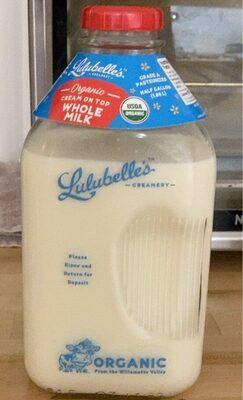
Auto-generated content. This description was generated automatically and is pending editorial review. Inaccuracies are possible. Found a mistake? Contact us.