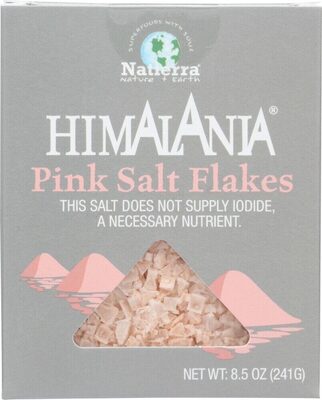
Pink Salt Flakes
What is Pink Salt Flakes?
Pink salt flakes are a type of salt, typically harvested from the Punjab region of Pakistan, near the Himalayas. It gets its distinctive pink hue from trace amounts of minerals, primarily iron oxide. The salt is often minimally processed and may be sold in flake or coarse grain forms.
Is Pink Salt Flakes vegan?
Pink Salt Flakes is not animal-derived. Products that contain it can still include other animal-derived ingredients, so check the full ingredient list.
Is Pink Salt Flakes a major allergen?
Not a major allergen.
What is Pink Salt Flakes used for?
Manufacturers use pink salt flakes primarily as a finishing salt to add a mild salty flavor and visual appeal to dishes.
Is Pink Salt Flakes safe?
Pink salt is chemically similar to table salt, consisting mainly of sodium chloride.
Why it's used
Manufacturers use pink salt flakes primarily as a finishing salt to add a mild salty flavor and visual appeal to dishes. Its unique color makes it a popular choice for garnishing, especially on meats, vegetables, and baked goods. It can also be used in rubs, marinades, and seasoning blends.
Health notes
Pink salt is chemically similar to table salt, consisting mainly of sodium chloride. The U.S. Food and Drug Administration (FDA) considers salt to be Generally Recognized As Safe (GRAS). While it contains trace minerals, the amounts are too small to significantly impact health. Excessive sodium intake, regardless of salt type, is linked to high blood pressure, according to the FDA. The World Health Organization (WHO) recommends limiting sodium intake.
Allergen info
Not a major allergen.
Foods that contain Pink Salt Flakes
Compare products →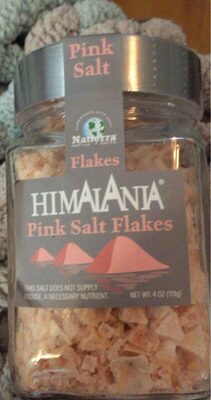
Auto-generated content. This description was generated automatically and is pending editorial review. Inaccuracies are possible. Found a mistake? Contact us.