Salt Ingredients: Salt
Auto-generated content. This description was generated automatically and is pending editorial review. Inaccuracies are possible. Found a mistake? Contact us.
What it is
Salt, also known as sodium chloride, is a mineral compound that is essential for life. It is naturally found in seawater and in solid deposits within the earth. Salt is typically harvested through evaporation of seawater or by mining underground salt deposits, then purified.
Why it's used
Manufacturers add salt to foods for flavor enhancement and preservation. It can also be used to control microbial growth, improve texture, and act as a binder. Salt is a common ingredient in a wide variety of foods, including processed meats, baked goods, snacks, and sauces.
Health notes
Salt is generally recognized as safe (GRAS) by the FDA for use in food. The World Health Organization (WHO) recommends limiting sodium intake to reduce the risk of high blood pressure and cardiovascular disease. JECFA has evaluated salt and did not set a numeric limit (ADI not specified). While essential in small amounts, excessive sodium consumption is linked to health concerns, and evidence suggests a link between high sodium intake and increased risk of cardiovascular disease, though research continues.
Allergen info
Salt is not one of the 9 FDA major allergens and does not contain gluten.
Products containing Salt Ingredients: Salt
Compare products →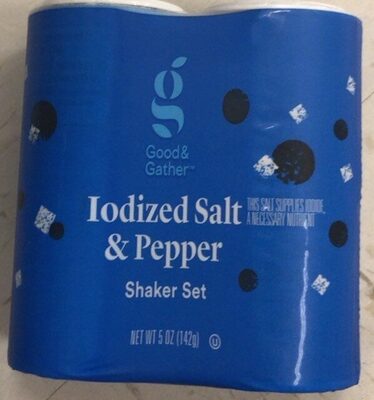 Target Stores
Iodized Salt & Pepper Shaker Set
0kcal
0Protein
0Fat
0Carbs
Target Stores
Iodized Salt & Pepper Shaker Set
0kcal
0Protein
0Fat
0Carbs