Sea Salt And Gellan Gum
What is Sea Salt And Gellan Gum?
Sea salt is salt harvested from evaporated seawater. Gellan gum is a polysaccharide produced by the fermentation of the bacterium Sphingomonas elodea. It is then purified and dried.
Is Sea Salt And Gellan Gum vegan?
Sea Salt And Gellan Gum is not animal-derived. Products that contain it can still include other animal-derived ingredients, so check the full ingredient list.
Is Sea Salt And Gellan Gum gluten-free?
It is also gluten-free.
Is Sea Salt And Gellan Gum a major allergen?
Sea salt is not a major allergen.
What is Sea Salt And Gellan Gum used for?
Sea salt is used as a seasoning to add flavor.
Is Sea Salt And Gellan Gum safe?
Sea salt and gellan gum are generally recognized as safe (GRAS) by the FDA.
Why it's used
Sea salt is used as a seasoning to add flavor. Gellan gum is used as a thickener and stabilizer in many foods, including plant-based milks, to prevent ingredients from separating and to improve texture.
Health notes
Sea salt and gellan gum are generally recognized as safe (GRAS) by the FDA. Gellan gum has been evaluated by JECFA and EFSA. Typical intake of sea salt contributes to sodium consumption, for which the FDA Daily Value is 2,300 mg. High sodium intake is linked to increased blood pressure. Gellan gum is not absorbed by the body and passes through the digestive system.
Allergen info
Sea salt is not a major allergen. Gellan gum is produced through bacterial fermentation and is not derived from major allergens. It is also gluten-free.
Foods that contain Sea Salt And Gellan Gum
Compare products →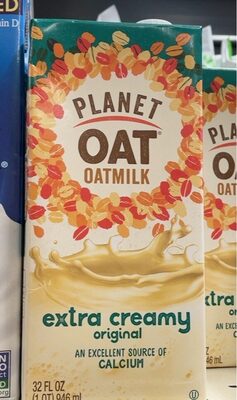
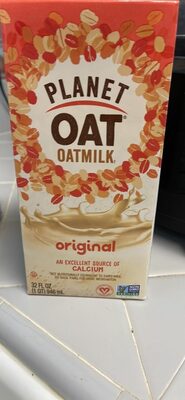
Auto-generated content. This description was generated automatically and is pending editorial review. Inaccuracies are possible. Found a mistake? Contact us.