Smoked Seasoning
Auto-generated content. This description was generated automatically and is pending editorial review. Inaccuracies are possible. Found a mistake? Contact us.
What it is
Smoked seasoning is a blend of spices and flavorings designed to mimic the taste of food that has been cooked over a smoky fire. It often includes ingredients like paprika, garlic powder, onion powder, and sometimes actual smoke flavoring derived from wood smoke.
Why it's used
Manufacturers use smoked seasoning to add a savory, smoky flavor to a wide variety of foods. It is frequently found in snack foods like popcorn, nuts, and chips, as well as in rubs for meats and marinades.
Health notes
Smoked seasoning is generally considered safe when used as intended in food. The FDA lists many of the common ingredients used in these blends as Generally Recognized As Safe (GRAS). Regulatory bodies like JECFA and EFSA have evaluated many individual spice and flavoring components, typically setting acceptable daily intake levels. While some smoke flavorings have been studied for potential health effects, typical consumption levels in seasoned foods are not associated with adverse health outcomes.
Allergen info
Smoked seasoning itself is not typically a major allergen. However, always check the ingredient list for specific blends, as they may contain or be processed in facilities with major allergens like soy or wheat.
Products containing Smoked Seasoning
Compare products →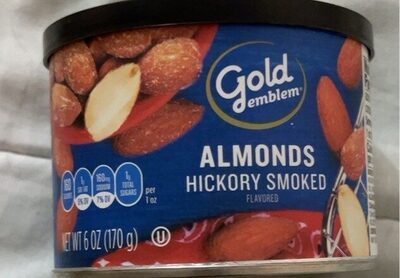 CVS Pharmacy, Inc.
Hickory Smoked Flavored Almonds, Hickory Smoked
571kcal
21.4Protein
53.6Fat
17.9Carbs
CVS Pharmacy, Inc.
Hickory Smoked Flavored Almonds, Hickory Smoked
571kcal
21.4Protein
53.6Fat
17.9Carbs
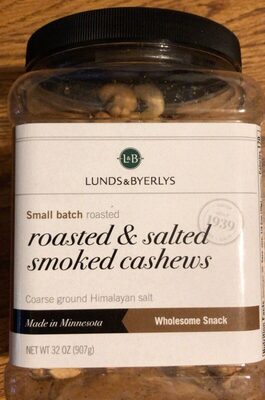 Lunds Inc
Roasted & Salted Smoked Cashews, Roasted & Salted
567kcal
16.7Protein
43.3Fat
30Carbs
Lunds Inc
Roasted & Salted Smoked Cashews, Roasted & Salted
567kcal
16.7Protein
43.3Fat
30Carbs