Yeast Extract
What is Yeast Extract?
Yeast extract is a flavor enhancer made from yeast cells. It is produced by breaking down yeast cells, often baker's or brewer's yeast, into their components, which results in a savory paste or powder.
Is Yeast Extract vegan?
Yeast Extract is not animal-derived. Products that contain it can still include other animal-derived ingredients, so check the full ingredient list.
Is Yeast Extract a major allergen?
Yeast extract is not considered one of the nine major food allergens identified by the FDA.
What is Yeast Extract used for?
Manufacturers add yeast extract to foods to boost savory flavors, often described as umami.
Is Yeast Extract safe?
The U.S. Food and Drug Administration (FDA) considers yeast extract to be Generally Recognized As Safe (GRAS).
Why it's used
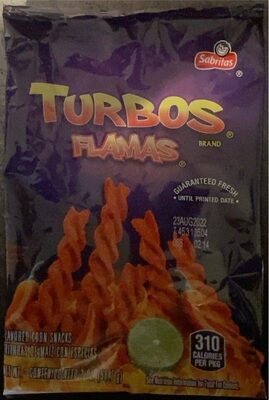
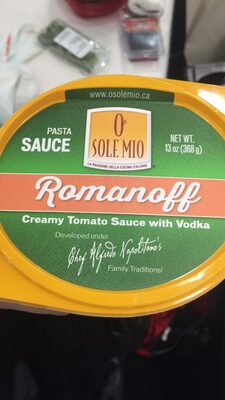
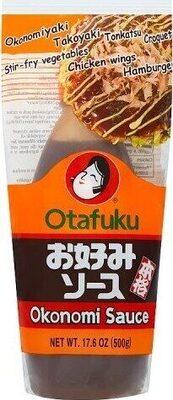
Manufacturers add yeast extract to foods to boost savory flavors, often described as umami. It is commonly found in snacks like chips, sauces, soups, broths, and processed meat alternatives.
Health notes
The U.S. Food and Drug Administration (FDA) considers yeast extract to be Generally Recognized As Safe (GRAS). Yeast extract naturally contains glutamates, which are the same compounds responsible for the savory taste of monosodium glutamate (MSG). While some people report sensitivity to MSG, scientific reviews have not found consistent evidence that naturally occurring glutamates in foods like yeast extract cause adverse reactions in the general population. The Joint FAO/WHO Expert Committee on Food Additives (JECFA) has evaluated yeast extract and determined that an acceptable daily intake (ADI) does not need to be specified, meaning it is considered safe at levels typically consumed.
Allergen info
Yeast extract is not considered one of the nine major food allergens identified by the FDA.
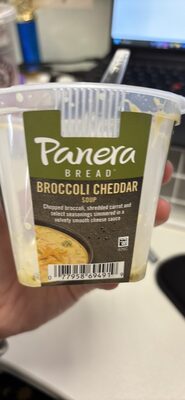
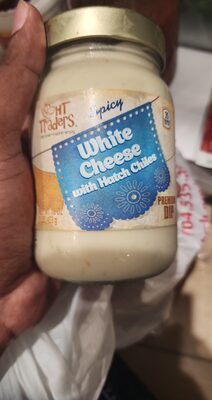
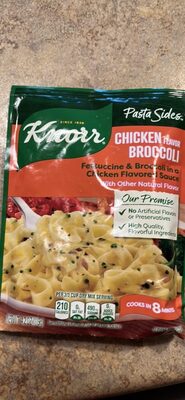
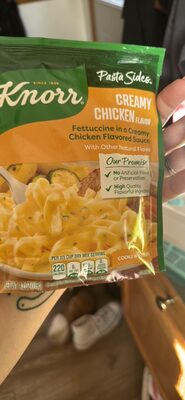
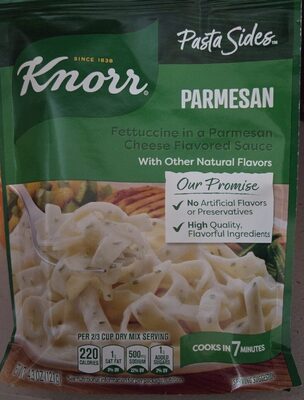
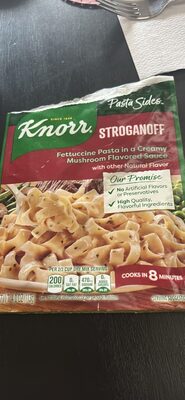
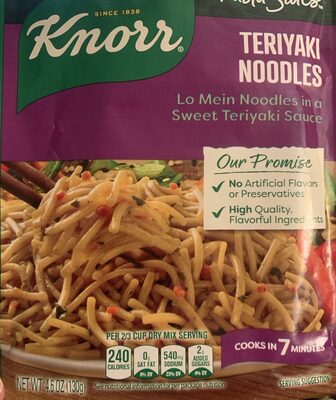
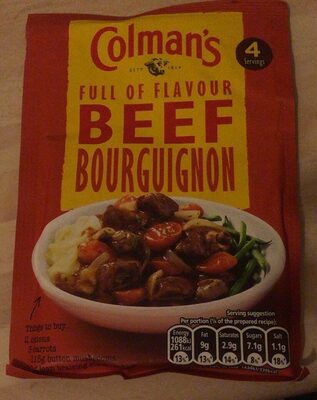
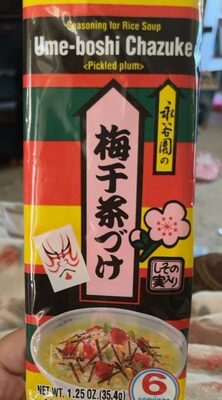
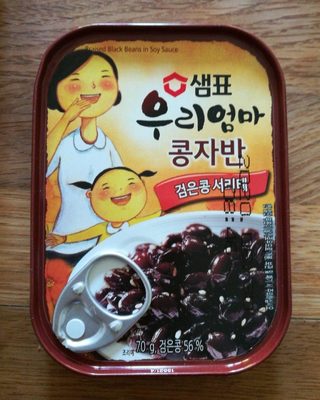
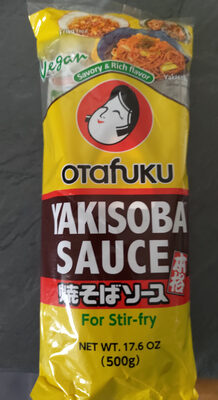
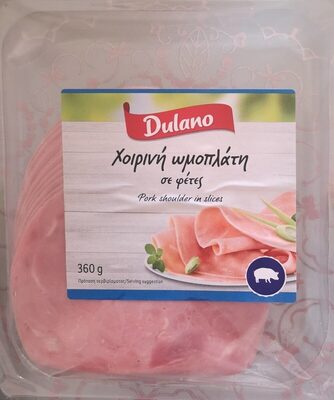
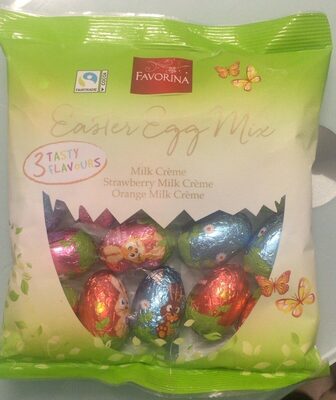
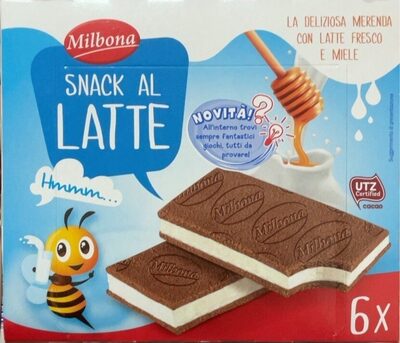
Foods that contain Yeast Extract
Compare products →
Learn more
Auto-generated content. This description was generated automatically and is pending editorial review. Inaccuracies are possible. Found a mistake? Contact us.