Starch Ball
What is Starch Ball?
Starch balls, often called "boba" or "pearls," are small, chewy spheres made primarily from tapioca starch. Tapioca starch comes from the cassava root, a starchy tuber native to South America. The starch is mixed with water and often sweeteners, then formed into small balls and cooked until they have a distinct chewy texture.
Is Starch Ball vegan?
Starch Ball is not animal-derived. Products that contain it can still include other animal-derived ingredients, so check the full ingredient list.
Is Starch Ball gluten-free?
Tapioca starch is gluten-free.
Is Starch Ball a major allergen?
Starch balls are not derived from any of the 9 major allergens.
What is Starch Ball used for?
Starch balls are most famously used as a chewy "pearl" or "boba" in bubble tea, adding a unique texture and a slightly sweet flavor.
Is Starch Ball safe?
Starch balls are generally considered safe for consumption.
Why it's used
Starch balls are most famously used as a chewy "pearl" or "boba" in bubble tea, adding a unique texture and a slightly sweet flavor. They can also be found in other desserts and beverages, such as puddings, ice cream, and fruit-flavored drinks, where their texture is a key appeal.
Health notes
Starch balls are generally considered safe for consumption. They are made from tapioca starch, which is a common food ingredient. While they can be sweetened, they do not typically contain artificial additives that are subject to FDA regulation as additives. JECFA and EFSA have evaluated tapioca starch and found it to be safe for use in food. They are primarily a source of carbohydrates.
Allergen info
Starch balls are not derived from any of the 9 major allergens. Tapioca starch is gluten-free.
Foods that contain Starch Ball
Compare products →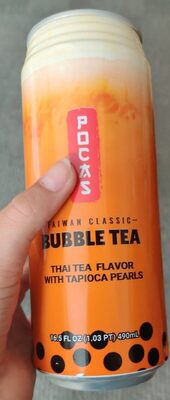 Pocas International Corp.
Taiwan Classic Bubble Tea, Taiwan Classic
High in added sugars — 94% DV per serving
51kcal
0.4Protein
0.8Fat
10.4Carbs
Pocas International Corp.
Taiwan Classic Bubble Tea, Taiwan Classic
High in added sugars — 94% DV per serving
51kcal
0.4Protein
0.8Fat
10.4Carbs
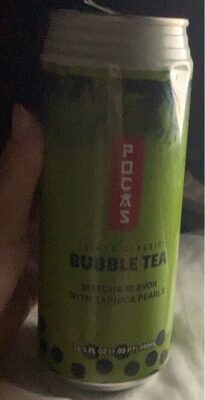 Pocas International Corp.
Matcha Flavor Taiwan Classic Bubble Tea With Tapioca Pearls, Matcha With Tapioca Pearls
High in saturated fat — 25% DV per serving
High in added sugars — 72% DV per serving
56kcal
1.0Protein
1.4Fat
9.8Carbs
Pocas International Corp.
Brown Sugar Bubble Tea With Tapioca Pearls, Brown Sugar
High in added sugars — 78% DV per serving
55kcal
0.6Protein
0.8Fat
11.2Carbs
Pocas International Corp.
Matcha Flavor Taiwan Classic Bubble Tea With Tapioca Pearls, Matcha With Tapioca Pearls
High in saturated fat — 25% DV per serving
High in added sugars — 72% DV per serving
56kcal
1.0Protein
1.4Fat
9.8Carbs
Pocas International Corp.
Brown Sugar Bubble Tea With Tapioca Pearls, Brown Sugar
High in added sugars — 78% DV per serving
55kcal
0.6Protein
0.8Fat
11.2Carbs
Auto-generated content. This description was generated automatically and is pending editorial review. Inaccuracies are possible. Found a mistake? Contact us.