100% New Zealand Honey
What is 100% New Zealand Honey?
100% New Zealand Honey is honey produced by bees in New Zealand. It is made when bees collect nectar from flowers and process it in their hives. The specific floral source, such as Manuka, influences its flavor and properties.
Is 100% New Zealand Honey vegan?
No. 100% New Zealand Honey is animal-derived, so it is not vegan.
Is 100% New Zealand Honey gluten-free?
It does not contain gluten.
Is 100% New Zealand Honey a major allergen?
Honey is not derived from any of the nine FDA major allergens.
What is 100% New Zealand Honey used for?
Honey is primarily used as a sweetener in a wide variety of foods, including baked goods, cereals, yogurts, and beverages.
Is 100% New Zealand Honey safe?
Honey is generally recognized as safe (GRAS) by the FDA for use as a food ingredient.
Why it's used
Honey is primarily used as a sweetener in a wide variety of foods, including baked goods, cereals, yogurts, and beverages. It can also add moisture and a distinct flavor profile. Some honeys are used for their unique characteristics, like Manuka honey.
Health notes
Honey is generally recognized as safe (GRAS) by the FDA for use as a food ingredient. It is a natural sweetener. The World Health Organization (WHO) has noted that replacing free sugars with honey can reduce the risk of weight gain and lower fasting blood glucose levels, but honey itself contains free sugars. JECFA has evaluated honey and established specifications for its quality.
Allergen info
Honey is not derived from any of the nine FDA major allergens. It does not contain gluten.
Foods that contain 100% New Zealand Honey
Compare products →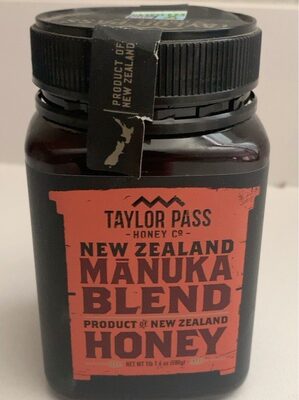
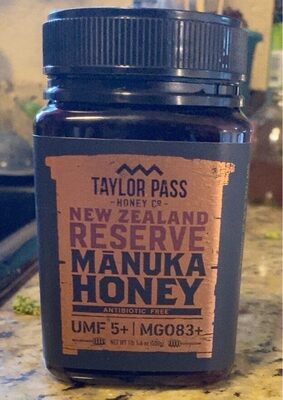
Learn more
Auto-generated content. This description was generated automatically and is pending editorial review. Inaccuracies are possible. Found a mistake? Contact us.