High Fructose Corn Syrup
What is High Fructose Corn Syrup?
High-fructose corn syrup (HFCS) is a liquid sweetener made from corn starch. The starch is first broken down into glucose, and then some of the glucose is converted into fructose using enzymes.
Is High Fructose Corn Syrup vegan?
High Fructose Corn Syrup is not animal-derived. Products that contain it can still include other animal-derived ingredients, so check the full ingredient list.
Is High Fructose Corn Syrup a major allergen?
High-fructose corn syrup is not a major allergen.
What is High Fructose Corn Syrup used for?
HFCS is used as a sweetener and to help preserve freshness and improve texture in many processed foods.
Is High Fructose Corn Syrup safe?
High-fructose corn syrup is generally recognized as safe (GRAS) by the U.S. Food and Drug Administration (FDA).
Why it's used
HFCS is used as a sweetener and to help preserve freshness and improve texture in many processed foods. It is commonly found in soft drinks, candies, baked goods, breakfast cereals, and various sauces.
Health notes
High-fructose corn syrup is generally recognized as safe (GRAS) by the U.S. Food and Drug Administration (FDA). It is a source of calories and is metabolized by the body in a way similar to table sugar (sucrose). The Dietary Guidelines for Americans (2025-2030) recommend no amount of added sugars, including HFCS, and at most 10 grams of added sugars per meal. JECFA has evaluated glucose syrups and fructose, which are components of HFCS. While there has been public debate about its health effects, scientific bodies generally conclude that its metabolic impact is similar to other sugars when consumed in comparable amounts.
Allergen info
High-fructose corn syrup is not a major allergen.
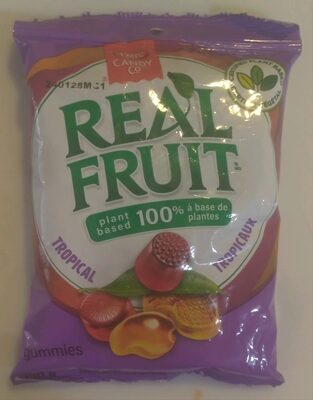
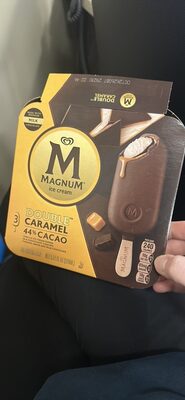
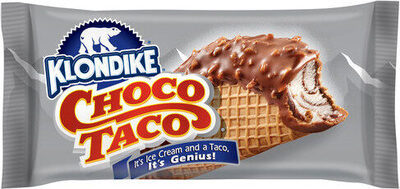
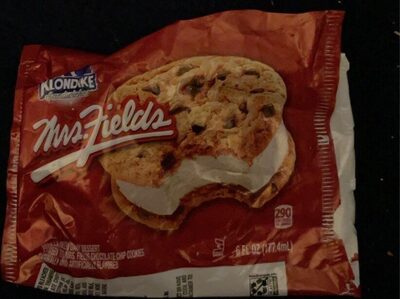
Foods that contain High Fructose Corn Syrup
Compare products →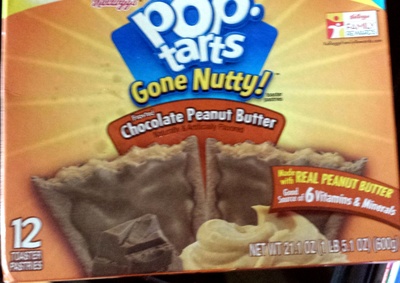 Kellogg Company US
Kellogg Pop-Tarts Chocolate Peanut Butter 21.1Oz
—kcal
4.8Protein
10Fat
72.3Carbs


Learn more
Auto-generated content. This description was generated automatically and is pending editorial review. Inaccuracies are possible. Found a mistake? Contact us.