100% Pure Organic Blue Agave Nectar
What is 100% Pure Organic Blue Agave Nectar?
Blue agave nectar is a natural sweetener produced from the blue agave plant, native to Mexico. The plant's sap is extracted and then filtered and heated to break down complex carbohydrates into simpler sugars, primarily fructose and glucose.
Is 100% Pure Organic Blue Agave Nectar vegan?
100% Pure Organic Blue Agave Nectar is not animal-derived. Products that contain it can still include other animal-derived ingredients, so check the full ingredient list.
Is 100% Pure Organic Blue Agave Nectar gluten-free?
Blue agave nectar is not derived from any of the nine major allergens and does not contain gluten.
What is 100% Pure Organic Blue Agave Nectar used for?
Manufacturers use blue agave nectar as a sweetener in a variety of food products, including baked goods, beverages, and dairy alternatives.
Is 100% Pure Organic Blue Agave Nectar safe?
Blue agave nectar is generally recognized as safe (GRAS) by the FDA for use as a sweetener.
Why it's used
Manufacturers use blue agave nectar as a sweetener in a variety of food products, including baked goods, beverages, and dairy alternatives. Its liquid form and mild flavor make it a versatile substitute for honey or sugar.
Health notes
Blue agave nectar is generally recognized as safe (GRAS) by the FDA for use as a sweetener. It is primarily composed of fructose, which is metabolized differently than glucose. Like other sweeteners, excessive consumption can contribute to caloric intake. JECFA has evaluated agave nectar and set an acceptable daily intake.
Allergen info
Blue agave nectar is not derived from any of the nine major allergens and does not contain gluten.
Foods that contain 100% Pure Organic Blue Agave Nectar
Compare products →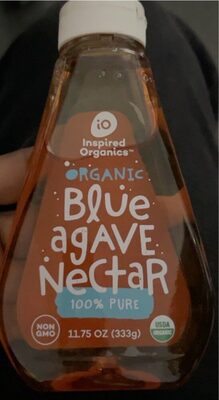
Learn more
Auto-generated content. This description was generated automatically and is pending editorial review. Inaccuracies are possible. Found a mistake? Contact us.