100% Pure Xylitol
What is 100% Pure Xylitol?
Xylitol is a sugar alcohol that occurs naturally in small amounts in fruits and vegetables. It is commercially produced from xylan-rich plant materials, such as birch wood or corn cobs, through a process of hydrogenation.
Is 100% Pure Xylitol vegan?
100% Pure Xylitol is not animal-derived. Products that contain it can still include other animal-derived ingredients, so check the full ingredient list.
Is 100% Pure Xylitol gluten-free?
Xylitol is not derived from any of the nine major allergens and does not contain gluten.
Is 100% Pure Xylitol a major allergen?
Not a major allergen.
What is 100% Pure Xylitol used for?
Xylitol is used as a low-calorie sweetener in a variety of food products, including baked goods, chewing gum, candies, and sugar-free items.
Is 100% Pure Xylitol safe?
Xylitol is Generally Recognized As Safe (GRAS) by the FDA for use as a sweetener.
Why it's used
Xylitol is used as a low-calorie sweetener in a variety of food products, including baked goods, chewing gum, candies, and sugar-free items. It provides a sweetness similar to sugar but with fewer calories and a lower glycemic impact. It is also used in toothpaste and mouthwash for its dental benefits.
Health notes
Xylitol is Generally Recognized As Safe (GRAS) by the FDA for use as a sweetener. It is not metabolized by bacteria in the mouth, which is why it is often used in sugar-free products to prevent tooth decay. Consuming large amounts of xylitol can have a laxative effect and cause digestive discomfort in some individuals. JECFA has evaluated xylitol and established an acceptable daily intake.
Allergen info
Not a major allergen. Xylitol is not derived from any of the nine major allergens and does not contain gluten.
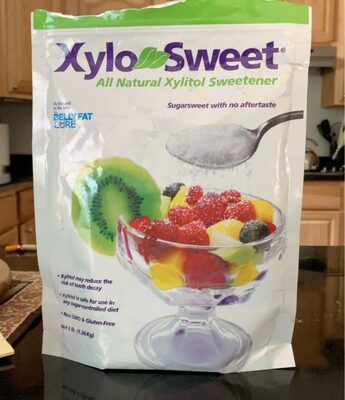
Foods that contain 100% Pure Xylitol
Compare products →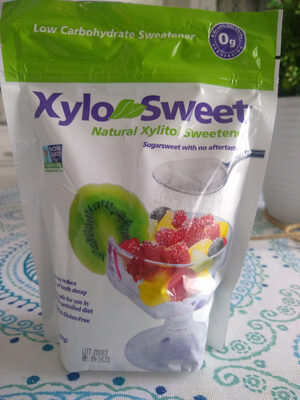
Learn more
Auto-generated content. This description was generated automatically and is pending editorial review. Inaccuracies are possible. Found a mistake? Contact us.