1.8% Ethyl Alcohol
What is 1.8% Ethyl Alcohol?
Ethyl alcohol, also known as ethanol, is a clear, colorless liquid with a distinct odor. It is produced through the fermentation of sugars by yeast. In food, it is often used as a solvent to extract flavors and aromas from natural sources, such as vanilla beans or spices.
Is 1.8% Ethyl Alcohol vegan?
1.8% Ethyl Alcohol is not animal-derived. Products that contain it can still include other animal-derived ingredients, so check the full ingredient list.
Is 1.8% Ethyl Alcohol a major allergen?
Not a major allergen.
What is 1.8% Ethyl Alcohol used for?
Manufacturers use ethyl alcohol primarily as a solvent to create flavor extracts and essences.
Is 1.8% Ethyl Alcohol safe?
Ethyl alcohol is generally recognized as safe (GRAS) by the FDA for use as a food ingredient, primarily as a solvent for flavorings.
Why it's used
Manufacturers use ethyl alcohol primarily as a solvent to create flavor extracts and essences. It helps to dissolve and carry the desired flavor compounds from ingredients like vanilla, almond, or spices into a liquid form. It is commonly found in baking extracts, flavorings, and some spice blends.
Health notes
Ethyl alcohol is generally recognized as safe (GRAS) by the FDA for use as a food ingredient, primarily as a solvent for flavorings. When consumed in the small amounts typically found in food extracts, it is not expected to have significant health effects. JECFA has evaluated ethanol and established an acceptable daily intake. Excessive consumption of alcoholic beverages, which contain much higher levels of ethyl alcohol, is associated with numerous health risks.
Allergen info
Not a major allergen.
Foods that contain 1.8% Ethyl Alcohol
Compare products →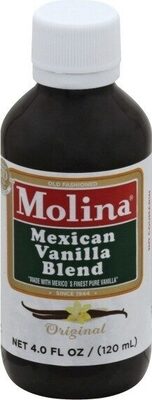 Productos Uvavina S.A. De C.V.
Molina, Mexican Vanilla Blend, Original, Original
0kcal
0Protein
0Fat
0Carbs
Productos Uvavina S.A. De C.V.
Molina, Mexican Vanilla Blend, Original, Original
0kcal
0Protein
0Fat
0Carbs
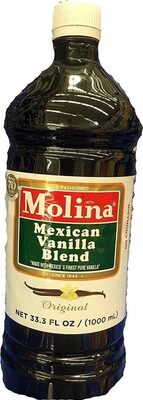 Productos Uvavina S.A. De C.V.
Original Mexican Vanilla Blend, Original
0kcal
0Protein
0Fat
0Carbs
Productos Uvavina S.A. De C.V.
Original Mexican Vanilla Blend, Original
0kcal
0Protein
0Fat
0Carbs
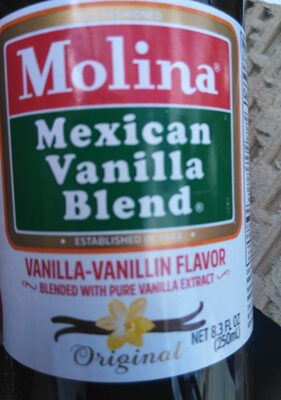 Productos Uvavina S.A. De C.V.
Original Mexican Vanilla Blend, Original Mexican Vanilla
0kcal
0Protein
0Fat
0Carbs
Productos Uvavina S.A. De C.V.
Original Mexican Vanilla Blend, Original Mexican Vanilla
0kcal
0Protein
0Fat
0Carbs
Learn more
Auto-generated content. This description was generated automatically and is pending editorial review. Inaccuracies are possible. Found a mistake? Contact us.