Sea Salt
What is Sea Salt?
Sea salt is a type of salt produced by evaporating seawater. It primarily consists of sodium chloride, along with trace amounts of other minerals found naturally in the ocean.
Is Sea Salt vegan?
Sea Salt is not animal-derived. Products that contain it can still include other animal-derived ingredients, so check the full ingredient list.
Is Sea Salt gluten-free?
Sea salt is not a major allergen and does not contain gluten.
What is Sea Salt used for?
Manufacturers add sea salt to foods primarily for flavoring and as a preservative.
Is Sea Salt safe?
Sea salt is generally recognized as safe (GRAS) by the U.S. Food and Drug Administration (FDA).
Why it's used
Manufacturers add sea salt to foods primarily for flavoring and as a preservative. It is commonly found in a wide range of products, including snacks, baked goods, and savory dishes.
Health notes
Sea salt is generally recognized as safe (GRAS) by the U.S. Food and Drug Administration (FDA). Like all salts, it is mainly composed of sodium chloride. High intake of sodium is linked to increased blood pressure, and the FDA Daily Value for sodium is 2,300 mg. The Joint FAO/WHO Expert Committee on Food Additives (JECFA) has evaluated sodium chloride and set an acceptable daily intake (ADI) not specified, meaning that the available data did not indicate a need for a numeric limit.
Allergen info
Sea salt is not a major allergen and does not contain gluten.
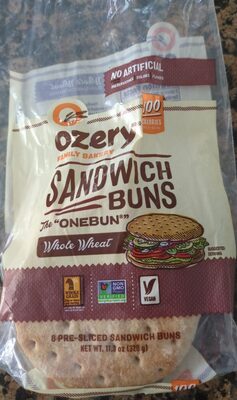
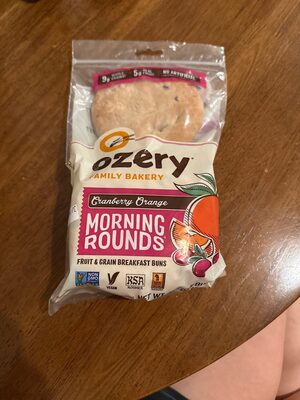
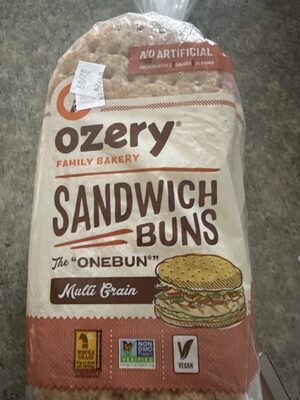
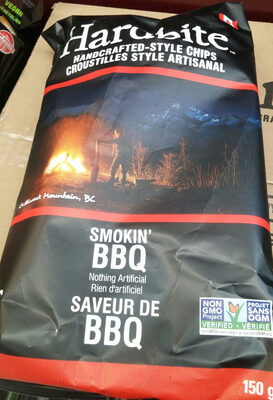
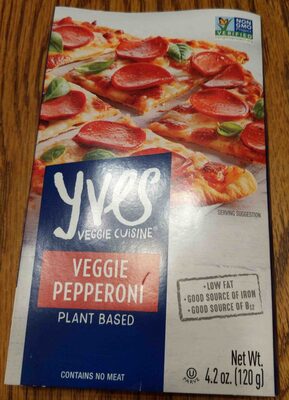
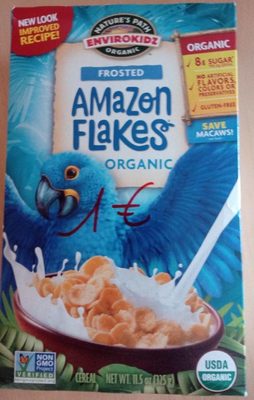
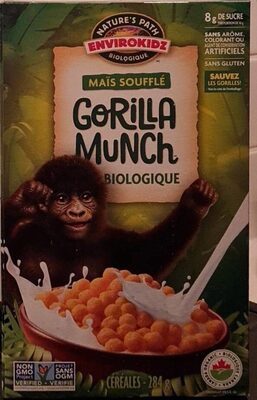
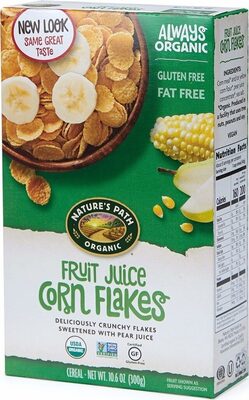
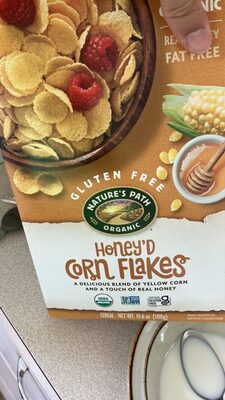
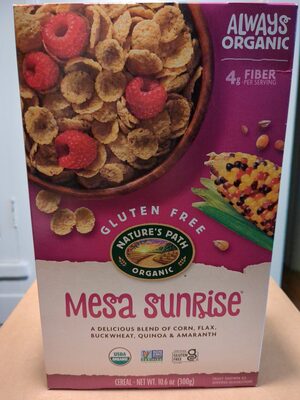
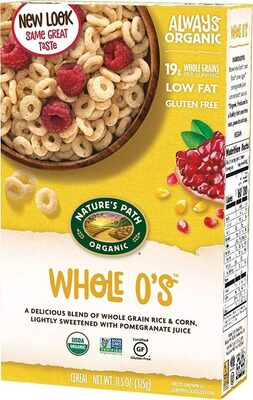
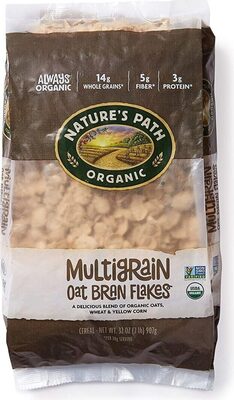
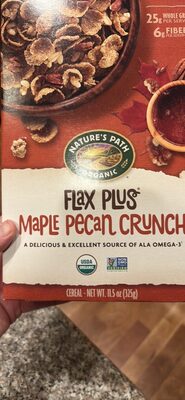
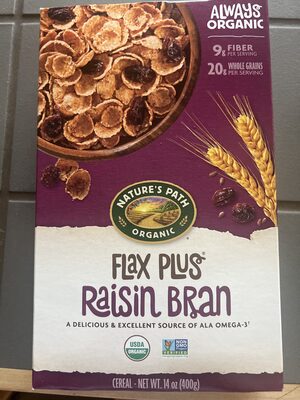
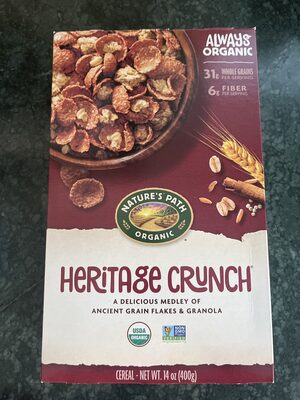
Foods that contain Sea Salt
Compare products →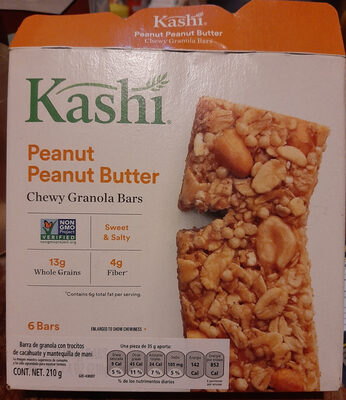
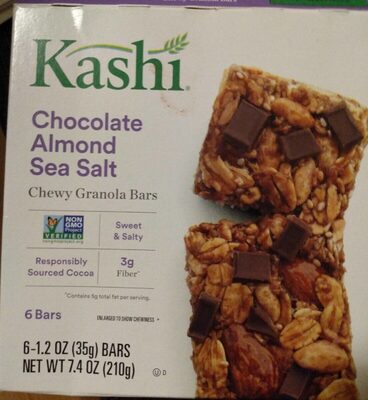
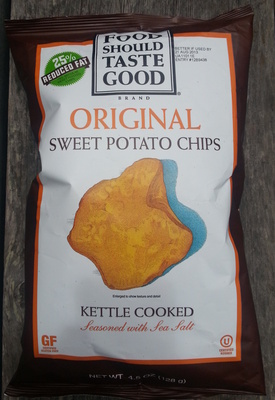
Learn more
Auto-generated content. This description was generated automatically and is pending editorial review. Inaccuracies are possible. Found a mistake? Contact us.