Alder Smoked Salt
What is Alder Smoked Salt?
Alder smoked salt is a type of salt that has been exposed to smoke from alder wood. This process infuses the salt crystals with a distinct smoky aroma and flavor. It is made by cold-smoking salt over alder wood, allowing the salt to absorb the wood's natural compounds.
Is Alder Smoked Salt vegan?
Alder Smoked Salt is not animal-derived. Products that contain it can still include other animal-derived ingredients, so check the full ingredient list.
Is Alder Smoked Salt a major allergen?
Not a major allergen.
What is Alder Smoked Salt used for?
Manufacturers add alder smoked salt primarily for its unique flavor profile, which combines saltiness with a savory, smoky note.
Is Alder Smoked Salt safe?
Salt (sodium chloride), the primary component of alder smoked salt, is generally recognized as safe (GRAS) by the FDA.
Why it's used
Manufacturers add alder smoked salt primarily for its unique flavor profile, which combines saltiness with a savory, smoky note. It is often used in gourmet food products to enhance taste. Common applications include chocolates, snack foods like potato chips, and various savory dishes where a smoky flavor is desired.
Health notes
Salt (sodium chloride), the primary component of alder smoked salt, is generally recognized as safe (GRAS) by the FDA. However, the FDA recommends limiting sodium intake to 2,300 mg per day, as excessive sodium consumption is linked to high blood pressure. JECFA has evaluated sodium chloride and determined that an acceptable daily intake (ADI) is 'not specified,' indicating that based on available data, a numerical limit is not deemed necessary.
Allergen info
Not a major allergen.
Foods that contain Alder Smoked Salt
Compare products →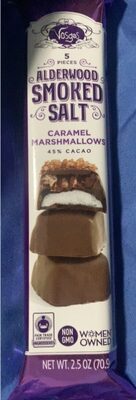 Vosges, Ltd.
Alderwood Smoked Salt 45% Caca Caramel Marshmallows, Alderwood Smoked Salt
High in saturated fat — 30% DV per serving
419kcal
4.7Protein
23.3Fat
51.2Carbs
Vosges, Ltd.
Alderwood Smoked Salt 45% Caca Caramel Marshmallows, Alderwood Smoked Salt
High in saturated fat — 30% DV per serving
419kcal
4.7Protein
23.3Fat
51.2Carbs
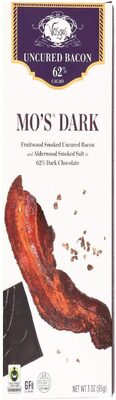 Vosges, Ltd.
Haut Chocolat 72% Cacao Mo's Dark Bacon Bar, Haut Chocolat
High in saturated fat — 35% DV per serving
536kcal
10.7Protein
42.9Fat
46.4Carbs
Vosges, Ltd.
Wild Ophelia, BBQ Potato Chips Dark Chocolate Bar
High in saturated fat — 70% DV per serving
530kcal
7.1Protein
40.6Fat
47.7Carbs
Vosges, Ltd.
Sweet Honey & Hickory Dark Chocolate Bar, BBQ Potato Chips
High in saturated fat — 70% DV per serving
530kcal
7.1Protein
40.6Fat
47.7Carbs
Vosges, Ltd.
Haut Chocolat 72% Cacao Mo's Dark Bacon Bar, Haut Chocolat
High in saturated fat — 35% DV per serving
536kcal
10.7Protein
42.9Fat
46.4Carbs
Vosges, Ltd.
Wild Ophelia, BBQ Potato Chips Dark Chocolate Bar
High in saturated fat — 70% DV per serving
530kcal
7.1Protein
40.6Fat
47.7Carbs
Vosges, Ltd.
Sweet Honey & Hickory Dark Chocolate Bar, BBQ Potato Chips
High in saturated fat — 70% DV per serving
530kcal
7.1Protein
40.6Fat
47.7Carbs
Learn more
Auto-generated content. This description was generated automatically and is pending editorial review. Inaccuracies are possible. Found a mistake? Contact us.