Aloe Vera Juice And Pulp
Auto-generated content. This description was generated automatically and is pending editorial review. Inaccuracies are possible. Found a mistake? Contact us.
What it is
Aloe vera juice and pulp comes from the inner leaf of the aloe vera plant. The gel-like substance is harvested, processed to remove the latex (a bitter yellow sap), and then often blended with water or other juices. It is typically a clear to pale yellow liquid.
Why it's used
Manufacturers add aloe vera juice and pulp for its mild flavor and perceived health benefits. It is commonly found in beverages like fruit juices, nectars, and flavored waters, where it adds a unique texture and a subtle taste.
Health notes
In the U.S., aloe vera juice and pulp intended for consumption is generally recognized as safe (GRAS) by the FDA when used according to good manufacturing practices. Some studies suggest potential benefits for digestion and skin health, but more research is needed. The Joint FAO/WHO Expert Committee on Food Additives (JECFA) has evaluated aloe vera, and the European Food Safety Authority (EFSA) has also reviewed its use. Evidence on health effects is still developing.
Allergen info
Aloe vera is not one of the nine major allergens recognized by the FDA. It does not contain gluten.
Products containing Aloe Vera Juice And Pulp
Compare products →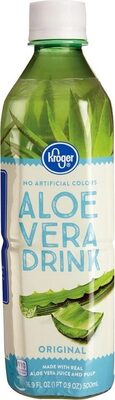 The Kroger Co.
Kroger, Aloe Vera Drink, Original
46kcal
0Protein
0Fat
10.8Carbs
Zeta Corporation
Mango Flavor Sugar Free Aloe Drink, Mango
2kcal
0Protein
0Fat
0.6Carbs
Zeta Corporation
Original Aloe Vera Drink, Original Aloe Vera
High in added sugars — 90% DV per serving
38kcal
0Protein
0Fat
9.6Carbs
Zeta Corporation
Pineapple Aloe Vera Drink, Pineapple
High in added sugars — 90% DV per serving
38kcal
0Protein
0Fat
9.6Carbs
The Kroger Co.
Kroger, Aloe Vera Drink, Original
46kcal
0Protein
0Fat
10.8Carbs
Zeta Corporation
Mango Flavor Sugar Free Aloe Drink, Mango
2kcal
0Protein
0Fat
0.6Carbs
Zeta Corporation
Original Aloe Vera Drink, Original Aloe Vera
High in added sugars — 90% DV per serving
38kcal
0Protein
0Fat
9.6Carbs
Zeta Corporation
Pineapple Aloe Vera Drink, Pineapple
High in added sugars — 90% DV per serving
38kcal
0Protein
0Fat
9.6Carbs
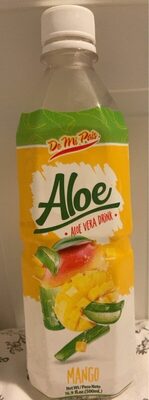 Global Garlic Inc.
Mango Aloe Vera Drink, Mango
High in added sugars — 106% DV per serving
44kcal
0Protein
0Fat
11Carbs
Global Garlic Inc.
Mango Aloe Vera Drink, Mango
High in added sugars — 106% DV per serving
44kcal
0Protein
0Fat
11Carbs