Anchovies Dehydrated
What is Anchovies Dehydrated?
Anchovies are small, oily fish found in temperate and tropical seas worldwide. Dehydrated anchovies are whole anchovies that have had most of their water content removed through drying. This process concentrates their flavor and extends their shelf life.
Is Anchovies Dehydrated vegan?
No. Anchovies Dehydrated is animal-derived, so it is not vegan.
Is Anchovies Dehydrated a major allergen?
Anchovies are a type of fish, which is one of the 9 major allergens recognized by the FDA.
What is Anchovies Dehydrated used for?
Dehydrated anchovies are primarily used to add a savory, umami flavor to foods.
Is Anchovies Dehydrated safe?
Dehydrated anchovies are considered a food ingredient and are generally recognized as safe (GRAS) by the FDA when used as intended.
Why it's used
Dehydrated anchovies are primarily used to add a savory, umami flavor to foods. They are often found in seasonings, spice blends, and as an ingredient in prepared foods like deli salads and wraps, where they contribute a distinct salty and fishy taste.
Health notes
Dehydrated anchovies are considered a food ingredient and are generally recognized as safe (GRAS) by the FDA when used as intended. As a fish product, they are a source of protein and omega-3 fatty acids. The FDA has not set specific upper intake limits for anchovies themselves, but consumers should be mindful of sodium content in processed foods containing them. JECFA has evaluated anchovy oil and set an acceptable daily intake.
Allergen info
Anchovies are a type of fish, which is one of the 9 major allergens recognized by the FDA. Consumers with fish allergies should avoid products containing anchovies.
Foods that contain Anchovies Dehydrated
Compare products →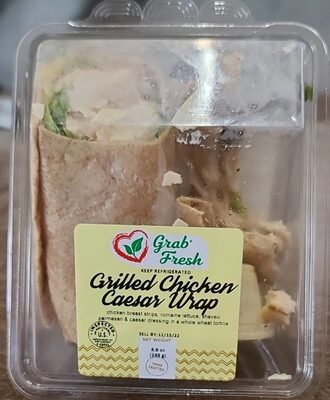 Fresh Grill, LLC
Grilled Chicken Caesar Wrap, Grilled Chicken
High in sodium — 40% DV per serving
High in saturated fat — 40% DV per serving
High in cholesterol — 28% DV per serving
255kcal
10.1Protein
15.0Fat
20.2Carbs
Fresh Grill, LLC
Grilled Chicken Caesar Wrap, Grilled Chicken
High in sodium — 40% DV per serving
High in saturated fat — 40% DV per serving
High in cholesterol — 28% DV per serving
255kcal
10.1Protein
15.0Fat
20.2Carbs
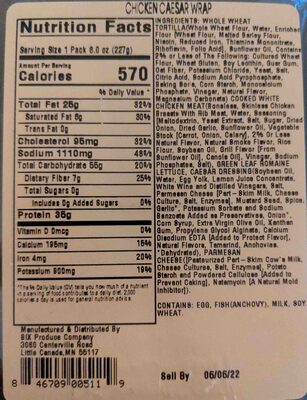 Bix Produce Company LLC
Chicken Caesar Wrap, Chicken Caesar
High in sodium — 48% DV per serving
High in saturated fat — 30% DV per serving
High in cholesterol — 32% DV per serving
42kcal
15.4Protein
11.0Fat
24.2Carbs
Taylor Fresh Foods, Inc.
Caesar Pasta Salad With White Meat Chicken
High in sodium — 49% DV per serving
High in saturated fat — 35% DV per serving
High in cholesterol — 35% DV per serving
235kcal
12.9Protein
14.9Fat
13.7Carbs
Bix Produce Company LLC
Chicken Caesar Wrap, Chicken Caesar
High in sodium — 48% DV per serving
High in saturated fat — 30% DV per serving
High in cholesterol — 32% DV per serving
42kcal
15.4Protein
11.0Fat
24.2Carbs
Taylor Fresh Foods, Inc.
Caesar Pasta Salad With White Meat Chicken
High in sodium — 49% DV per serving
High in saturated fat — 35% DV per serving
High in cholesterol — 35% DV per serving
235kcal
12.9Protein
14.9Fat
13.7Carbs
Learn more
Auto-generated content. This description was generated automatically and is pending editorial review. Inaccuracies are possible. Found a mistake? Contact us.