And Hydrolyzed Corn Protein
Auto-generated content. This description was generated automatically and is pending editorial review. Inaccuracies are possible. Found a mistake? Contact us.
What it is
Hydrolyzed corn protein (HCP) is made by breaking down corn protein into smaller pieces using heat, acid, or enzymes. This process is called hydrolysis. It is often used as a source of amino acids and to add a savory, umami flavor to foods.
Why it's used
HCP is frequently added to processed foods to enhance their flavor, particularly savory and meaty notes. It is commonly found in snacks like chips and pretzels, as well as in seasoning mixes, marinades, and sauces.
Health notes
In the United States, hydrolyzed corn protein is generally recognized as safe (GRAS) by the FDA when used as intended. It is a source of amino acids, which are building blocks for proteins. International bodies like JECFA and EFSA have evaluated similar hydrolyzed proteins. Evidence does not indicate adverse health effects at typical consumption levels.
Allergen info
Corn is not one of the nine major allergens recognized by the FDA. Hydrolyzed corn protein does not contain gluten.
Products containing And Hydrolyzed Corn Protein
Compare products →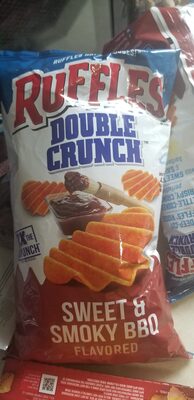 Frito-Lay Company
Sweet & Smoky BBQ Flavored Potato Chips, Sweet & Smoky BBQ
500kcal
7.1Protein
28.6Fat
60.7Carbs
Uncle Wiley's, Inc.
Rotisserie Wings Seasoning, Rotisserie Wings
286kcal
14.3Protein
0Fat
57.1Carbs
Smithfield Packaged Meats Corp.
Steak & Cheese Steak, Peppers, Onion And Provolone In A Golden Pocket Calzone, Steak & Cheese
High in sodium — 37% DV per serving
High in saturated fat — 45% DV per serving
271kcal
14.1Protein
12.3Fat
24.7Carbs
Gel Spice Company Inc
Meat Loaf Seasoning Mix, Meat Loaf
250kcal
0Protein
0Fat
50Carbs
Frito-Lay Company
Sweet & Smoky BBQ Flavored Potato Chips, Sweet & Smoky BBQ
500kcal
7.1Protein
28.6Fat
60.7Carbs
Uncle Wiley's, Inc.
Rotisserie Wings Seasoning, Rotisserie Wings
286kcal
14.3Protein
0Fat
57.1Carbs
Smithfield Packaged Meats Corp.
Steak & Cheese Steak, Peppers, Onion And Provolone In A Golden Pocket Calzone, Steak & Cheese
High in sodium — 37% DV per serving
High in saturated fat — 45% DV per serving
271kcal
14.1Protein
12.3Fat
24.7Carbs
Gel Spice Company Inc
Meat Loaf Seasoning Mix, Meat Loaf
250kcal
0Protein
0Fat
50Carbs