Aseptic Tomato
What is Aseptic Tomato?
Aseptic tomato refers to tomatoes that have been processed and packaged using an aseptic method. This involves heating the tomatoes to a specific temperature for a set time to kill microorganisms, then filling them into sterile containers in a sterile environment. This process helps preserve the tomatoes' quality and shelf life without refrigeration.
Is Aseptic Tomato vegan?
Aseptic Tomato is not animal-derived. Products that contain it can still include other animal-derived ingredients, so check the full ingredient list.
Is Aseptic Tomato a major allergen?
Not a major allergen.
What is Aseptic Tomato used for?
Manufacturers use aseptic tomatoes as a convenient and shelf-stable ingredient in various food products.
Is Aseptic Tomato safe?
Aseptic tomato is a food ingredient derived from tomatoes and is generally recognized as safe by the FDA.
Why it's used
Manufacturers use aseptic tomatoes as a convenient and shelf-stable ingredient in various food products. They provide a concentrated tomato flavor and base for sauces, soups, entrees, and side dishes. Their use is common in packaged meals, where they contribute to the tomato taste and texture.
Health notes
Aseptic tomato is a food ingredient derived from tomatoes and is generally recognized as safe by the FDA. It is not subject to specific regulations beyond standard food safety requirements. Tomatoes are a source of vitamins and antioxidants, like lycopene. No specific health concerns are associated with the consumption of aseptic tomatoes at typical dietary levels.
Allergen info
Not a major allergen.
Foods that contain Aseptic Tomato
Compare products →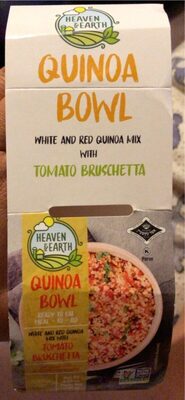 Kenover Marketing Corp.
Tomato Bruschetta Quinoa Bowl
High in sodium — 28% DV per serving
103kcal
2.7Protein
4.9Fat
13.0Carbs
Kenover Marketing Corp.
Tomato Bruschetta Quinoa Bowl
High in sodium — 28% DV per serving
103kcal
2.7Protein
4.9Fat
13.0Carbs
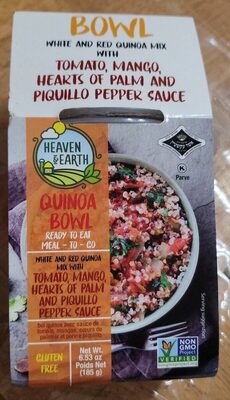 Kenover Marketing Corp.
Heaven & Earth Quinoa Bowl, 6.53 Oz
97kcal
2.7Protein
1.4Fat
18.4Carbs
Kenover Marketing Corp.
Heaven & Earth Quinoa Bowl, 6.53 Oz
97kcal
2.7Protein
1.4Fat
18.4Carbs
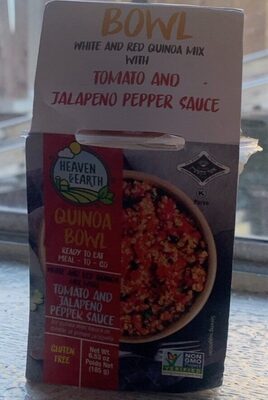 Kenover Marketing Corp.
Tomato And Jalapeno Pepper Sauce Quinoa Bowl
High in sodium — 21% DV per serving
70kcal
2.2Protein
1.4Fat
11.9Carbs
Kenover Marketing Corp.
Tomato And Jalapeno Pepper Sauce Quinoa Bowl
High in sodium — 21% DV per serving
70kcal
2.2Protein
1.4Fat
11.9Carbs
Auto-generated content. This description was generated automatically and is pending editorial review. Inaccuracies are possible. Found a mistake? Contact us.