Bees Wax
Auto-generated content. This description was generated automatically and is pending editorial review. Inaccuracies are possible. Found a mistake? Contact us.
What it is
Beeswax is a natural wax produced by honey bees in their hives. It is secreted from wax glands on the bees' abdomens and used to build the honeycomb structure. The wax is typically collected by beekeepers and then purified by melting and filtering.
Why it's used
Manufacturers use beeswax as a glazing agent, a stabilizer, and a thickener in a variety of foods. It can give products a glossy appearance and prevent ingredients from separating. You'll often find it in candies, baked goods, chewing gum, and as a coating for some fruits and vegetables.
Health notes
In the United States, beeswax is generally recognized as safe (GRAS) by the FDA for use as a food additive. It is not known to cause adverse health effects when consumed in amounts typically found in food. International bodies like JECFA have evaluated beeswax and found it acceptable for consumption. There are no widespread health controversies associated with its use.
Allergen info
Beeswax is not derived from any of the nine FDA major allergens. It does not contain gluten.
Products containing Bees Wax
Compare products →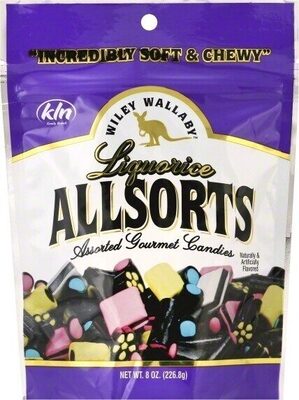 Kenny's Candy Company Inc.
Liguorice Assorted Gourmet Candies, Allsorts
400kcal
3.3Protein
3.3Fat
90Carbs
Kenny's Candy Company Inc.
Liguorice Assorted Gourmet Candies, Allsorts
400kcal
3.3Protein
3.3Fat
90Carbs