Carnauba Wax
Auto-generated content. This description was generated automatically and is pending editorial review. Inaccuracies are possible. Found a mistake? Contact us.
What it is
Carnauba wax is a natural wax obtained from the leaves of the carnauba palm tree, which grows in Brazil. The wax is collected by drying and beating the palm leaves, then refining the flakes into a purified wax.
Why it's used
Manufacturers add carnauba wax to foods primarily as a glazing agent to provide a shiny, protective coating. It helps prevent products from sticking together and can improve their shelf life. It is commonly found in candies, chewing gum, and some baked goods.
Health notes
In the United States, carnauba wax is approved by the FDA as a food additive for use as a glazing agent. It is generally considered safe for consumption at typical intake levels. The Joint FAO/WHO Expert Committee on Food Additives (JECFA) has evaluated carnauba wax and established an acceptable daily intake. The European Food Safety Authority (EFSA) has also assessed its safety. There are no notable health controversies surrounding its use in food.
Allergen info
Carnauba wax is not derived from any of the nine major food allergens identified by the FDA. It does not contain gluten.
Products containing Carnauba Wax
Compare products →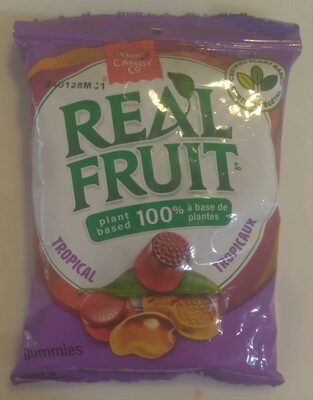 DARE CANDY CO
Gummies
359kcal
5.1Protein
0Fat
82.0Carbs
RED HOTS
Red Hots, Candy, Cinnamon
400kcal
0Protein
0Fat
100Carbs
DUBBLE BUBBLE
Sugar Free Bubble Gum
111kcal
0Protein
0Fat
66.7Carbs
FLAVE!
Flave!, Jelly Beans
375kcal
0Protein
0Fat
95Carbs
DARE CANDY CO
Gummies
359kcal
5.1Protein
0Fat
82.0Carbs
RED HOTS
Red Hots, Candy, Cinnamon
400kcal
0Protein
0Fat
100Carbs
DUBBLE BUBBLE
Sugar Free Bubble Gum
111kcal
0Protein
0Fat
66.7Carbs
FLAVE!
Flave!, Jelly Beans
375kcal
0Protein
0Fat
95Carbs
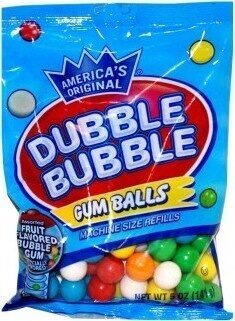 DUBBLE BUBBLE
Dubble Bubble, Bubble Gum Balls, Assorted Fruit
500kcal
0Protein
0Fat
100Carbs
DUBBLE BUBBLE
Dubble Bubble, Bubble Gum Balls, Assorted Fruit
500kcal
0Protein
0Fat
100Carbs