Bitter Almond Extract
What is Bitter Almond Extract?
Bitter almond extract is an oil derived from the seeds of the bitter almond tree (Prunus amygdalus var. amara). It contains benzaldehyde, which gives it a strong, distinct almond flavor. The extract is typically produced by steam distillation or solvent extraction.
Is Bitter Almond Extract vegan?
Bitter Almond Extract is not animal-derived. Products that contain it can still include other animal-derived ingredients, so check the full ingredient list.
Is Bitter Almond Extract gluten-free?
It does not contain gluten.
Is Bitter Almond Extract a major allergen?
Bitter almond extract is derived from tree nuts and is therefore considered a major allergen.
What is Bitter Almond Extract used for?
Manufacturers add bitter almond extract to provide a potent almond flavor, often in smaller quantities than sweet almond extract.
Is Bitter Almond Extract safe?
Bitter almond extract contains compounds that can be toxic if consumed in large amounts, but it is generally considered safe when used in the small quantities typical of food flavoring.
Why it's used
Manufacturers add bitter almond extract to provide a potent almond flavor, often in smaller quantities than sweet almond extract. It is commonly used in baked goods, confectionery, liqueurs, and ice cream.
Health notes
Bitter almond extract contains compounds that can be toxic if consumed in large amounts, but it is generally considered safe when used in the small quantities typical of food flavoring. The FDA permits its use as a food flavoring agent. JECFA has evaluated benzaldehyde and established an acceptable daily intake.
Allergen info
Bitter almond extract is derived from tree nuts and is therefore considered a major allergen. It does not contain gluten.
Foods that contain Bitter Almond Extract
Compare products →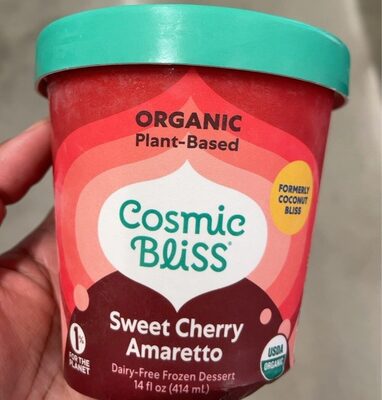 Ambrosetti's Sister
Sweet Cherry Amaretto Organic Plant-Based Dairy-Free Frozen Dessert, Sweet Cherry Amaretto
High in saturated fat — 85% DV per serving
High in added sugars — 24% DV per serving
202kcal
0.8Protein
15.1Fat
15.1Carbs
Kohler Original Recipe Chocolates
Kohler, Dark Toffee Bark
High in saturated fat — 55% DV per serving
526kcal
1.8Protein
36.8Fat
47.4Carbs
Kohler Original Recipe Chocolates
Milk Toffee Bark
High in saturated fat — 55% DV per serving
526kcal
1.8Protein
36.8Fat
47.4Carbs
Kohler Original Recipe Chocolates
Kohler, Hazelnut Toffee Bark
High in saturated fat — 45% DV per serving
544kcal
5.3Protein
42.1Fat
42.1Carbs
Ambrosetti's Sister
Sweet Cherry Amaretto Organic Plant-Based Dairy-Free Frozen Dessert, Sweet Cherry Amaretto
High in saturated fat — 85% DV per serving
High in added sugars — 24% DV per serving
202kcal
0.8Protein
15.1Fat
15.1Carbs
Kohler Original Recipe Chocolates
Kohler, Dark Toffee Bark
High in saturated fat — 55% DV per serving
526kcal
1.8Protein
36.8Fat
47.4Carbs
Kohler Original Recipe Chocolates
Milk Toffee Bark
High in saturated fat — 55% DV per serving
526kcal
1.8Protein
36.8Fat
47.4Carbs
Kohler Original Recipe Chocolates
Kohler, Hazelnut Toffee Bark
High in saturated fat — 45% DV per serving
544kcal
5.3Protein
42.1Fat
42.1Carbs
Learn more
Auto-generated content. This description was generated automatically and is pending editorial review. Inaccuracies are possible. Found a mistake? Contact us.