Black Carrot Juice Color
What is Black Carrot Juice Color?
Black carrot juice color is a natural food coloring derived from the juice of black carrots. The vibrant color comes from anthocyanins, which are pigments also found in blueberries and red cabbage. The juice is extracted from the carrots and then processed to concentrate and stabilize the color.
Is Black Carrot Juice Color vegan?
Black Carrot Juice Color is not animal-derived. Products that contain it can still include other animal-derived ingredients, so check the full ingredient list.
Is Black Carrot Juice Color a major allergen?
Not a major allergen.
What is Black Carrot Juice Color used for?
Manufacturers use black carrot juice color to provide a red, purple, or pink hue to foods and beverages.
Is Black Carrot Juice Color safe?
Black carrot juice color is generally recognized as safe (GRAS) by the FDA for use as a food coloring.
Why it's used
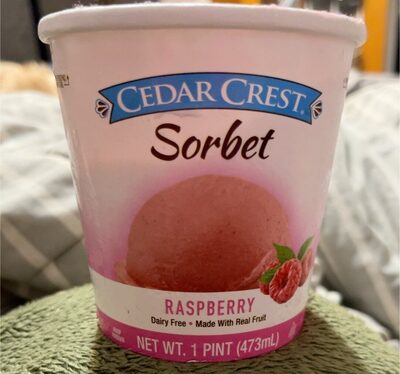
Manufacturers use black carrot juice color to provide a red, purple, or pink hue to foods and beverages. It is often found in products like yogurt, ice cream, sorbet, and fruit-flavored snacks. Its natural origin makes it an appealing alternative to artificial colorings.
Health notes
Black carrot juice color is generally recognized as safe (GRAS) by the FDA for use as a food coloring. It is a natural source of anthocyanins, which are antioxidants. Regulatory bodies like EFSA have evaluated anthocyanins, finding them safe for consumption. Evidence does not suggest adverse health effects from typical dietary intake of this natural colorant.
Allergen info
Not a major allergen.
Foods that contain Black Carrot Juice Color
Compare products →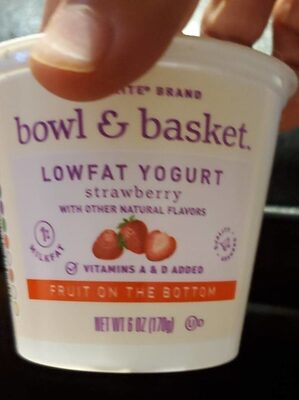
Learn more
Auto-generated content. This description was generated automatically and is pending editorial review. Inaccuracies are possible. Found a mistake? Contact us.