Blackberry And Beet Juice Colors
What is Blackberry And Beet Juice Colors?
Blackberry and beet juice colors are natural food colorings derived from the pigments found in blackberries and beets. These fruits and vegetables are processed to extract their vibrant colors, which are then stabilized for use in food products.
Is Blackberry And Beet Juice Colors vegan?
Blackberry And Beet Juice Colors is not animal-derived. Products that contain it can still include other animal-derived ingredients, so check the full ingredient list.
Is Blackberry And Beet Juice Colors gluten-free?
Derived from fruits, it does not contain gluten.
Is Blackberry And Beet Juice Colors a major allergen?
Not a major allergen.
What is Blackberry And Beet Juice Colors used for?
Manufacturers use these natural colorings to provide red, purple, and pink hues in various foods.
Is Blackberry And Beet Juice Colors safe?
Blackberry and beet juice colors are generally recognized as safe (GRAS) by the FDA for use as food colorings.
Why it's used
Manufacturers use these natural colorings to provide red, purple, and pink hues in various foods. They are often found in products like ice cream, yogurt, candies, and beverages where a visually appealing color is desired.
Health notes
Blackberry and beet juice colors are generally recognized as safe (GRAS) by the FDA for use as food colorings. They are derived from edible fruits and vegetables and do not have specific regulatory limits set by bodies like JECFA or EFSA. As natural colorants, they are not associated with the controversies surrounding some artificial dyes.
Allergen info
Not a major allergen. Derived from fruits, it does not contain gluten.
Foods that contain Blackberry And Beet Juice Colors
Compare products →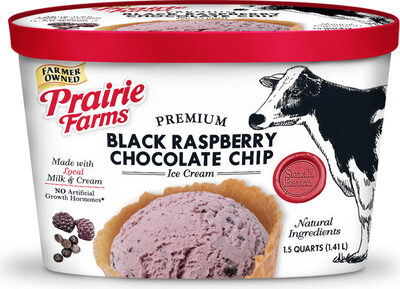 Prairie Farms Dairy, Inc.
Premium Black Raspberry Chocolate Chip Ice Cream, Black Raspberry Chocolate Chip
High in saturated fat — 35% DV per serving
High in added sugars — 26% DV per serving
228kcal
4.3Protein
12.0Fat
26.1Carbs
Prairie Farms Dairy, Inc.
Olde Fashioned Chocolate Crunch Cones, Black Raspberry
High in saturated fat — 30% DV per serving
253kcal
3.3Protein
11.0Fat
37.4Carbs
Prairie Farms Dairy, Inc.
Ice Cream
High in saturated fat — 30% DV per serving
High in added sugars — 20% DV per serving
221kcal
3.5Protein
10.5Fat
29.1Carbs
Prairie Farms Dairy, Inc.
Premium Black Raspberry Chocolate Chip Ice Cream, Black Raspberry Chocolate Chip
High in saturated fat — 35% DV per serving
High in added sugars — 26% DV per serving
228kcal
4.3Protein
12.0Fat
26.1Carbs
Prairie Farms Dairy, Inc.
Olde Fashioned Chocolate Crunch Cones, Black Raspberry
High in saturated fat — 30% DV per serving
253kcal
3.3Protein
11.0Fat
37.4Carbs
Prairie Farms Dairy, Inc.
Ice Cream
High in saturated fat — 30% DV per serving
High in added sugars — 20% DV per serving
221kcal
3.5Protein
10.5Fat
29.1Carbs
Learn more
Auto-generated content. This description was generated automatically and is pending editorial review. Inaccuracies are possible. Found a mistake? Contact us.