Brewed Arabica Coffee
What is Brewed Arabica Coffee?
Brewed Arabica coffee is made from the roasted beans of the Arabica coffee plant, which is native to Ethiopia. The beans are ground and steeped in hot water to extract their flavor and aroma. This process creates a beverage that is consumed worldwide.
Is Brewed Arabica Coffee vegan?
Brewed Arabica Coffee is not animal-derived. Products that contain it can still include other animal-derived ingredients, so check the full ingredient list.
Is Brewed Arabica Coffee gluten-free?
Coffee is not one of the nine major allergens recognized by the FDA, nor is it a source of gluten.
What is Brewed Arabica Coffee used for?
Manufacturers use brewed Arabica coffee primarily as a flavoring ingredient in a variety of food products.
Is Brewed Arabica Coffee safe?
Coffee is generally recognized as safe (GRAS) by the FDA for its intended use as a food ingredient.
Why it's used
Manufacturers use brewed Arabica coffee primarily as a flavoring ingredient in a variety of food products. It is commonly found in beverages like coffee drinks, energy drinks, and liqueurs, as well as in desserts such as ice cream, cakes, and pastries, adding a distinct coffee taste.
Health notes
Coffee is generally recognized as safe (GRAS) by the FDA for its intended use as a food ingredient. It contains caffeine, a stimulant that can affect alertness and energy levels. Extensive research has been conducted on coffee consumption, with bodies like the WHO/IARC evaluating its potential health effects. While moderate consumption is often associated with certain health benefits, high intake can lead to side effects like anxiety or sleep disturbances.
Allergen info
Coffee is not one of the nine major allergens recognized by the FDA, nor is it a source of gluten. Not a major allergen.
Foods that contain Brewed Arabica Coffee
Compare products →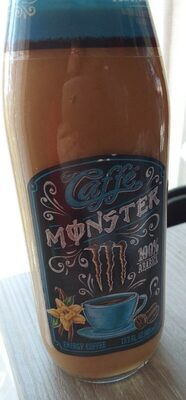
Learn more
Auto-generated content. This description was generated automatically and is pending editorial review. Inaccuracies are possible. Found a mistake? Contact us.