Butterfly Pea Flower
Auto-generated content. This description was generated automatically and is pending editorial review. Inaccuracies are possible. Found a mistake? Contact us.
What it is
Butterfly pea flower comes from the Clitoria ternatea plant, native to Southeast Asia. The flowers are dried and can be used to create a natural blue or purple dye.
Why it's used
Manufacturers use butterfly pea flower primarily for its natural coloring properties, imparting a vibrant blue hue to beverages and foods. It is often found in teas, drinks, and sometimes in baked goods or candies where a unique color is desired.
Health notes
In the US, butterfly pea flower is generally recognized as safe (GRAS) when used as a food ingredient. Regulatory bodies like the European Food Safety Authority (EFSA) have evaluated it and found it safe for consumption. While generally considered safe, research into its specific health effects is ongoing, and it is not typically consumed in amounts large enough to cause concern.
Allergen info
Butterfly pea flower is not one of the 9 major FDA allergens. It does not contain gluten.
Products containing Butterfly Pea Flower
Compare products →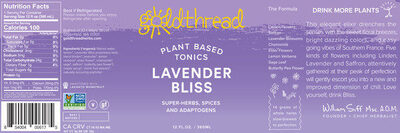 Goldthread LLC
Lavender Bliss Plant Based Tonics, Lavender Bliss
28kcal
0Protein
0Fat
6.7Carbs
Goldthread LLC
Lavender Bliss Plant Based Tonics, Lavender Bliss
28kcal
0Protein
0Fat
6.7Carbs