Caffeine Sucralose
What is Caffeine Sucralose?
Caffeine is a natural stimulant found in coffee beans, tea leaves, and cacao pods. It is often extracted for use in food and beverages. Sucralose is an artificial sweetener made from sugar through a multi-step chemical process.
Is Caffeine Sucralose vegan?
Caffeine Sucralose is not animal-derived. Products that contain it can still include other animal-derived ingredients, so check the full ingredient list.
Is Caffeine Sucralose a major allergen?
Not a major allergen.
What is Caffeine Sucralose used for?
Caffeine is added to provide a stimulating effect, while sucralose is used to sweeten products without adding calories.
Is Caffeine Sucralose safe?
Caffeine is generally recognized as safe (GRAS) by the FDA for use in food.
Why it's used
Caffeine is added to provide a stimulating effect, while sucralose is used to sweeten products without adding calories. They are commonly found together in diet sodas, energy drinks, and some powdered drink mixes.
Health notes
Caffeine is generally recognized as safe (GRAS) by the FDA for use in food. Sucralose is also FDA-approved as a high-intensity sweetener. Both have been evaluated by JECFA and EFSA. While generally considered safe at typical consumption levels, some individuals may experience sensitivity to caffeine, such as jitters or sleep disturbances. Research on the long-term health effects of artificial sweeteners like sucralose is ongoing, with some studies suggesting potential impacts on gut microbiota, though evidence is mixed.
Allergen info
Not a major allergen.
Foods that contain Caffeine Sucralose
Compare products →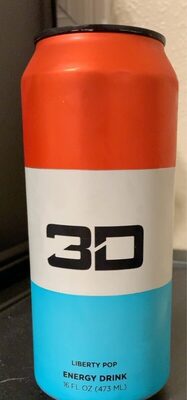
Learn more
Auto-generated content. This description was generated automatically and is pending editorial review. Inaccuracies are possible. Found a mistake? Contact us.