Candy Coating
What is Candy Coating?
Candy coating is a sweet, often colorful, edible layer applied to foods like popcorn, nuts, or baked goods. It is typically made from sugar, corn syrup, and water, cooked to a specific temperature to achieve a desired texture, from chewy to hard and brittle. Flavorings and colorings are often added.
Is Candy Coating gluten-free?
Gluten is also not usually present unless specific ingredients like wheat-based starches are added.
Is Candy Coating a major allergen?
Candy coating is not typically derived from any of the nine major allergens.
What is Candy Coating used for?
Manufacturers use candy coating to add sweetness, crunch, and visual appeal to snacks and desserts.
Is Candy Coating safe?
Candy coatings are primarily composed of sugars and are generally recognized as safe (GRAS) by the FDA when used as intended.
Why it's used
Manufacturers use candy coating to add sweetness, crunch, and visual appeal to snacks and desserts. It helps create a protective shell that can enhance flavor and extend shelf life. Common applications include popcorn, caramel apples, chocolate-covered nuts, and decorative elements for cakes and cookies.
Health notes
Candy coatings are primarily composed of sugars and are generally recognized as safe (GRAS) by the FDA when used as intended. Consuming large amounts of added sugars can contribute to health issues like weight gain and tooth decay, as recommended by the Dietary Guidelines for Americans. International bodies like JECFA have evaluated sugar-based ingredients. While generally considered safe, excessive intake of any sugary food is not advised.
Allergen info
Candy coating is not typically derived from any of the nine major allergens. Gluten is also not usually present unless specific ingredients like wheat-based starches are added.
Foods that contain Candy Coating
Compare products →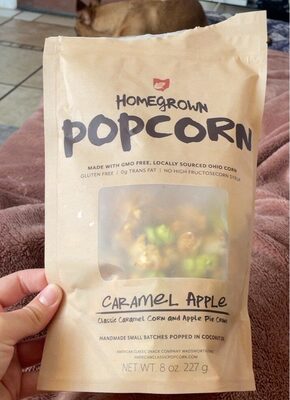 American Classic Snack Co.
Caramel Apple Classic Caramel Corn And Apple Pie Crunchy Popcorn, Caramel Apple
High in saturated fat — 20% DV per serving
High in added sugars — 26% DV per serving
429kcal
3.6Protein
17.9Fat
64.3Carbs
American Classic Snack Co.
Caramel Apple Classic Caramel Corn And Apple Pie Crunchy Popcorn, Caramel Apple
High in saturated fat — 20% DV per serving
High in added sugars — 26% DV per serving
429kcal
3.6Protein
17.9Fat
64.3Carbs
 American Classic Snack Co.
Five Flavor Cherry, Banana, Raspberry, Apple + Grape Crunch Popcorn, Five
High in added sugars — 28% DV per serving
429kcal
0Protein
16.1Fat
67.9Carbs
Signature Brands LLC
Primary Colors Fondant Toppers
High in saturated fat — 22% DV per serving
425kcal
0Protein
12.5Fat
80Carbs
American Classic Snack Co.
Five Flavor Cherry, Banana, Raspberry, Apple + Grape Crunch Popcorn, Five
High in added sugars — 28% DV per serving
429kcal
0Protein
16.1Fat
67.9Carbs
Signature Brands LLC
Primary Colors Fondant Toppers
High in saturated fat — 22% DV per serving
425kcal
0Protein
12.5Fat
80Carbs
Learn more
Auto-generated content. This description was generated automatically and is pending editorial review. Inaccuracies are possible. Found a mistake? Contact us.