Caramel: Brown Sugar
What is Caramel: Brown Sugar?
Caramel is a sweet, brown substance made by heating sugars until they melt and turn a golden-brown color. When made from brown sugar, it retains some of the molasses notes, giving it a richer flavor. This process, called caramelization, creates new flavor compounds and a distinct aroma.
Is Caramel: Brown Sugar vegan?
Caramel: Brown Sugar is not animal-derived. Products that contain it can still include other animal-derived ingredients, so check the full ingredient list.
Is Caramel: Brown Sugar a major allergen?
Not a major allergen.
What is Caramel: Brown Sugar used for?
Manufacturers add caramel for its distinctive sweet and sometimes slightly bitter flavor, as well as its appealing brown color.
Is Caramel: Brown Sugar safe?
Brown sugar, from which this caramel is made, is a common food ingredient generally recognized as safe (GRAS) by the FDA.
Why it's used
Manufacturers add caramel for its distinctive sweet and sometimes slightly bitter flavor, as well as its appealing brown color. It also contributes to texture, providing chewiness or a smooth, viscous quality. It is commonly found in candies, desserts, sauces, ice cream, and baked goods like cakes and cookies.
Health notes
Brown sugar, from which this caramel is made, is a common food ingredient generally recognized as safe (GRAS) by the FDA. As a source of added sugars, caramel contributes calories to the diet. The 2025-2030 Dietary Guidelines for Americans recommend no amount of added sugars, and at most 10 grams per meal, as excessive intake is linked to health concerns. JECFA and EFSA primarily evaluate food additives; brown sugar itself is considered a food ingredient and is not typically subject to an ADI evaluation by these bodies.
Allergen info
Not a major allergen.
Foods that contain Caramel: Brown Sugar
Compare products →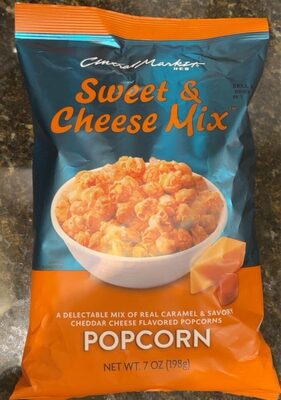 H E Butt Grocery Company
Popcorn, Real Caramel & Savory Cheddar Cheese
536kcal
3.6Protein
28.6Fat
64.3Carbs
Target Stores
Blondie Mix, Pumpkin Caramel Streusel
367kcal
6.7Protein
1.7Fat
83.3Carbs
Troyer Dist. Co.
Caramel Pecan Turtle Caramel, Pecans, Milk Chocolate, Caramel Pecan Turtle
High in saturated fat — 25% DV per serving
556kcal
5.6Protein
40.7Fat
48.1Carbs
Rhodes International Inc.
Caramel Rolls Gooey Sticky Buns, Caramel Rolls
High in saturated fat — 25% DV per serving
High in added sugars — 40% DV per serving
306kcal
4.1Protein
10.2Fat
50Carbs
H E Butt Grocery Company
Popcorn, Real Caramel & Savory Cheddar Cheese
536kcal
3.6Protein
28.6Fat
64.3Carbs
Target Stores
Blondie Mix, Pumpkin Caramel Streusel
367kcal
6.7Protein
1.7Fat
83.3Carbs
Troyer Dist. Co.
Caramel Pecan Turtle Caramel, Pecans, Milk Chocolate, Caramel Pecan Turtle
High in saturated fat — 25% DV per serving
556kcal
5.6Protein
40.7Fat
48.1Carbs
Rhodes International Inc.
Caramel Rolls Gooey Sticky Buns, Caramel Rolls
High in saturated fat — 25% DV per serving
High in added sugars — 40% DV per serving
306kcal
4.1Protein
10.2Fat
50Carbs
Learn more
Auto-generated content. This description was generated automatically and is pending editorial review. Inaccuracies are possible. Found a mistake? Contact us.