Caramel Color Preserved With Potassium Sorbate
What is Caramel Color Preserved With Potassium Sorbate?
Caramel color is a food coloring made by heating sugars, often with acids, bases, or salts. It can range in color from light yellow to dark brown. The process is carefully controlled to produce specific colors and flavors.
Is Caramel Color Preserved With Potassium Sorbate a major allergen?
Not a major allergen.
What is Caramel Color Preserved With Potassium Sorbate used for?
Manufacturers add caramel color to provide a brown hue to foods and beverages.
Is Caramel Color Preserved With Potassium Sorbate safe?
Caramel color is generally recognized as safe (GRAS) by the FDA for use in food.
Why it's used
Manufacturers add caramel color to provide a brown hue to foods and beverages. It is often used in baked goods, sodas, sauces, and gravies to give them an appealing, consistent color. Potassium sorbate is added as a preservative to prevent mold and yeast growth.
Health notes
Caramel color is generally recognized as safe (GRAS) by the FDA for use in food. Some types of caramel color, particularly those made with ammonia or sulfites, can produce compounds like 4-MEI, which has raised some concerns. However, regulatory bodies like the FDA and EFSA have reviewed caramel colorings and found them safe at typical consumption levels. JECFA has also evaluated caramel colors and established acceptable daily intakes. Evidence does not suggest adverse health effects from consuming caramel color in typical amounts.
Allergen info
Not a major allergen.
Foods that contain Caramel Color Preserved With Potassium Sorbate
Compare products →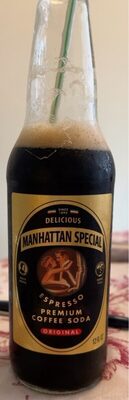
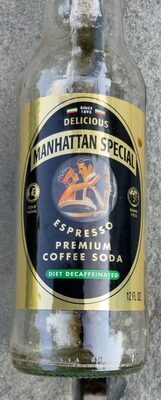
Learn more
Auto-generated content. This description was generated automatically and is pending editorial review. Inaccuracies are possible. Found a mistake? Contact us.