Caramel Color Spices
What is Caramel Color Spices?
Caramel color is a dark brown food coloring made by heating sugars, often with acids, alkalis, or sulfites. The process creates a range of colors from light yellow-brown to dark brown. It is one of the most widely used food colorings globally.
Is Caramel Color Spices gluten-free?
It does not contain gluten.
Is Caramel Color Spices a major allergen?
Caramel color is not derived from any of the nine major allergens.
What is Caramel Color Spices used for?
Manufacturers add caramel color to provide a rich brown hue to foods and beverages.
Is Caramel Color Spices safe?
Caramel color is generally recognized as safe (GRAS) by the FDA for use in food.
Why it's used
Manufacturers add caramel color to provide a rich brown hue to foods and beverages. It is commonly found in baked goods, beer, dark sodas, gravies, ice cream, and processed meats. It does not significantly impact flavor at typical usage levels.
Health notes
Caramel color is generally recognized as safe (GRAS) by the FDA for use in food. Some forms of caramel color, specifically Class III and IV, can contain byproducts like 4-MEI. Regulatory bodies like JECFA and EFSA have evaluated caramel colors. While some studies have raised questions about potential health effects of certain byproducts at very high doses, typical consumption levels are not associated with adverse health outcomes.
Allergen info
Caramel color is not derived from any of the nine major allergens. It does not contain gluten.
Foods that contain Caramel Color Spices
Compare products →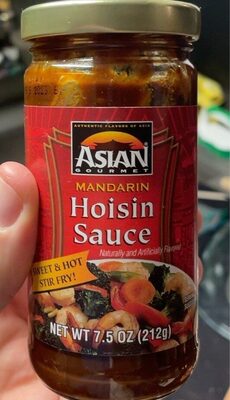 United Natural Foods, Inc.
Mandarin Hoisin Flavored Sauce, Mandarin Hoisin
High in sodium — 23% DV per serving
143kcal
2.9Protein
1.4Fat
31.4Carbs
Smart & Final Iris Corporation
Chicken & BBQ Sauce Seasoned Chicken, Mozzarella Cheese, Gouda Cheese, Red Onions & Tangy BBQ Sauce Thin Crust Pizza, Chicken & BBQ Sauce
High in sodium — 30% DV per serving
High in saturated fat — 35% DV per serving
228kcal
13.1Protein
9.0Fat
24.1Carbs
Old Hickory LLC
Smoke Worcestershire Sauce, Smoke Worcestershire
0kcal
0Protein
0Fat
20Carbs
United Natural Foods, Inc.
Mandarin Hoisin Flavored Sauce, Mandarin Hoisin
High in sodium — 23% DV per serving
143kcal
2.9Protein
1.4Fat
31.4Carbs
Smart & Final Iris Corporation
Chicken & BBQ Sauce Seasoned Chicken, Mozzarella Cheese, Gouda Cheese, Red Onions & Tangy BBQ Sauce Thin Crust Pizza, Chicken & BBQ Sauce
High in sodium — 30% DV per serving
High in saturated fat — 35% DV per serving
228kcal
13.1Protein
9.0Fat
24.1Carbs
Old Hickory LLC
Smoke Worcestershire Sauce, Smoke Worcestershire
0kcal
0Protein
0Fat
20Carbs
Learn more
Auto-generated content. This description was generated automatically and is pending editorial review. Inaccuracies are possible. Found a mistake? Contact us.