Caramel Flakes
What is Caramel Flakes?
Caramel flakes are a confectionery product made by heating sugar until it caramelizes, then cooling and breaking it into flakes. The process involves controlled heating to achieve a specific color and flavor. They are often made from sucrose, with or without added dairy or other ingredients.
Is Caramel Flakes gluten-free?
Gluten is not typically present.
Is Caramel Flakes a major allergen?
Caramel flakes themselves are not derived from major allergens unless specific ingredients like milk or soy are added during processing.
What is Caramel Flakes used for?
Caramel flakes are primarily used as a topping or decorative element in baked goods and desserts.
Is Caramel Flakes safe?
Caramel is generally recognized as safe (GRAS) by the FDA when used as a flavoring agent.
Why it's used
Caramel flakes are primarily used as a topping or decorative element in baked goods and desserts. They add a sweet, slightly bitter caramel flavor and a crunchy texture. They are commonly found in ice cream, cookies, cakes, and pastries.
Health notes
Caramel is generally recognized as safe (GRAS) by the FDA when used as a flavoring agent. It is a form of sugar and contributes to overall sugar intake. JECFA has evaluated caramel colors, which are derived from caramelization, and established acceptable daily intakes for certain types. Excessive consumption of sugars can contribute to health issues.
Allergen info
Caramel flakes themselves are not derived from major allergens unless specific ingredients like milk or soy are added during processing. Gluten is not typically present. Always check product labels for specific allergen information.
Foods that contain Caramel Flakes
Compare products →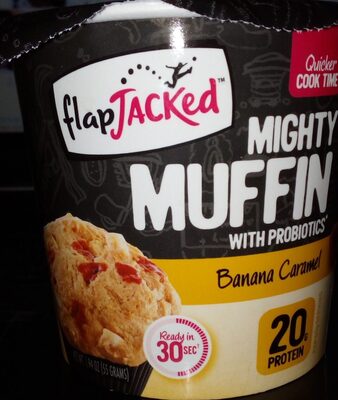 JaceyCakes, LLC
Banana Caramel Mighty Muffin With Probiotics*, Banana Caramel
400kcal
36.4Protein
10.9Fat
40Carbs
JaceyCakes, LLC
Banana Caramel Mighty Muffin With Probiotics*, Banana Caramel
400kcal
36.4Protein
10.9Fat
40Carbs
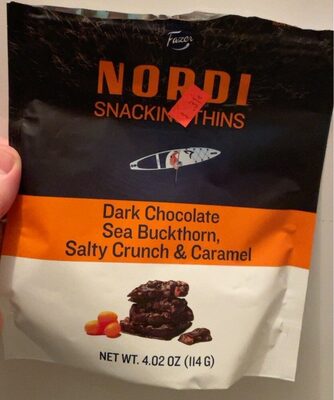 Holy Water Distillery, LLC (DBA CROSTWATER)
Dark Chocolate Sea Buckthorn, Salty Crunch & Caramel Snacking Thins, Dark Chocolate Sea Buckthorn, Salty Crunch & Caramel
High in saturated fat — 30% DV per serving
500kcal
6.7Protein
33.3Fat
46.7Carbs
Alpine Carriers, Inc
Cashew Milk, Salted Caramel
High in saturated fat — 25% DV per serving
High in added sugars — 32% DV per serving
200kcal
0Protein
8.6Fat
28.6Carbs
Holy Water Distillery, LLC (DBA CROSTWATER)
Sea Buckthorn Flavored & Salty Caramel Dark Chocolate, Sea Buckthorn
High in saturated fat — 35% DV per serving
531kcal
6.2Protein
37.5Fat
34.4Carbs
Holy Water Distillery, LLC (DBA CROSTWATER)
Dark Chocolate Sea Buckthorn, Salty Crunch & Caramel Snacking Thins, Dark Chocolate Sea Buckthorn, Salty Crunch & Caramel
High in saturated fat — 30% DV per serving
500kcal
6.7Protein
33.3Fat
46.7Carbs
Alpine Carriers, Inc
Cashew Milk, Salted Caramel
High in saturated fat — 25% DV per serving
High in added sugars — 32% DV per serving
200kcal
0Protein
8.6Fat
28.6Carbs
Holy Water Distillery, LLC (DBA CROSTWATER)
Sea Buckthorn Flavored & Salty Caramel Dark Chocolate, Sea Buckthorn
High in saturated fat — 35% DV per serving
531kcal
6.2Protein
37.5Fat
34.4Carbs
Learn more
Auto-generated content. This description was generated automatically and is pending editorial review. Inaccuracies are possible. Found a mistake? Contact us.