Caramine
What is Caramine?
Carmine is a vibrant red pigment derived from cochineal insects (Dactylopius coccus). The insects are dried, crushed, and then extracted with water or alcohol to produce the colorant. The resulting extract is further processed to obtain carminic acid, which is then precipitated with aluminum or calcium salts to form the final pigment.
Is Caramine vegan?
No. Caramine is animal-derived, so it is not vegan.
Is Caramine gluten-free?
Carmine is not derived from any of the nine major allergens and does not contain gluten.
What is Caramine used for?
Carmine is used as a natural red food coloring agent, providing a stable and intense hue.
Is Caramine safe?
Carmine is approved by the FDA as a color additive.
Why it's used
Carmine is used as a natural red food coloring agent, providing a stable and intense hue. Manufacturers add it to a variety of products to enhance their visual appeal. It is commonly found in yogurts, candies, beverages, baked goods, and processed meats.
Health notes
Carmine is approved by the FDA as a color additive. While generally recognized as safe, some individuals may experience allergic reactions, including asthma and anaphylaxis, although these are rare. The European Food Safety Authority (EFSA) has evaluated carmine and established acceptable intake levels. Some consumer groups have raised concerns about its insect origin, but it is not linked to the petroleum-based synthetic dyes undergoing phase-out.
Allergen info
Carmine is not derived from any of the nine major allergens and does not contain gluten.
Foods that contain Caramine
Compare products →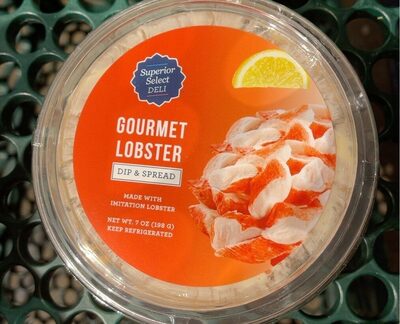 Superior Foods Company
Gourmet Lobster Spread, Gourmet Lobster
High in saturated fat — 30% DV per serving
571kcal
10.7Protein
50Fat
17.9Carbs
The Yofarm Company
Yocrunch, Yopa!, Greek Nonfat Yogurt With 9 Whole Grain Granola, Blueberries, Blueberries
71kcal
7.1Protein
0Fat
11.1Carbs
Harry and David
Chocolate Covered Fruit, Raspberries, Blueberries And Strawberries
High in saturated fat — 40% DV per serving
475kcal
2.5Protein
25Fat
65Carbs
Giant Eagle, Inc.
Frosted Sugar Cookies
395kcal
2.6Protein
13.2Fat
65.8Carbs
Superior Foods Company
Gourmet Lobster Spread, Gourmet Lobster
High in saturated fat — 30% DV per serving
571kcal
10.7Protein
50Fat
17.9Carbs
The Yofarm Company
Yocrunch, Yopa!, Greek Nonfat Yogurt With 9 Whole Grain Granola, Blueberries, Blueberries
71kcal
7.1Protein
0Fat
11.1Carbs
Harry and David
Chocolate Covered Fruit, Raspberries, Blueberries And Strawberries
High in saturated fat — 40% DV per serving
475kcal
2.5Protein
25Fat
65Carbs
Giant Eagle, Inc.
Frosted Sugar Cookies
395kcal
2.6Protein
13.2Fat
65.8Carbs
Learn more
Auto-generated content. This description was generated automatically and is pending editorial review. Inaccuracies are possible. Found a mistake? Contact us.